Milan 2026: A Vibrant Celebration of Indian Maximalism and Youth Culture at SRM University
Across university campuses nationwide, cultural festivals have significantly evolved into expansive platforms where music, performance, and creative expression intersect seamlessly. What were once simple event-based gatherings have now transformed into immersive environments that vividly reflect the changing contours of youth culture. These festivals bring together a wide spectrum of experiences, ranging from live music and dance to gaming, debates, and digital art. They create dynamic spaces where traditional forms co-exist harmoniously with emerging trends, allowing students to explore, experiment, and collaborate across various disciplines.
As participation grows and formats diversify, student-led festivals increasingly mirror larger cultural shifts. They function not merely as entertainment but as shared ecosystems where creativity, community, and contemporary influences converge in dynamic and impactful ways. Under this expansive momentum, Milan 2026, SRM University's national-level cultural festival, unfolded as a large-scale convergence of performance, competition, and youth culture. The 18th edition of Milan was themed 'Indian Maximalism,' a concept that celebrated scale, color, performance energy, and the layered diversity of Indian cultural expression.
Inauguration and Opening Highlights
The festival opened on Day 1 with a grand inauguration at the TP Audi Ground, where actress Dr Sreeleela served as the chief guest. Her appearance drew large student crowds and set an energetic tone for the scale of celebrations that followed. The evening transitioned into the first pro show, featuring music director Mithoon alongside Mohammad Irfan and their band. This performance turned the opening night into a major musical highlight, establishing the festival's high entertainment quotient early on.

Diverse Programming and Festival Structure
Over four days, the campus transformed into a distributed cultural arena with dance floors, auditoriums, gaming stations, debate halls, and art spaces operating simultaneously as stages of expression. The structure of Milan reflected the diversity of contemporary student culture, demonstrating how college festivals now operate as multidisciplinary platforms rather than single-category showcases. Events were distributed across spaces such as the TP Auditorium, Vendhar Square, Mini Halls, architecture classrooms, and specialised halls, creating a constantly shifting festival geography as audiences moved between performances, contests, and showcases throughout each day.
Competitions and Performances Across Days
Day 2 featured a dense lineup of competitions across several student clubs, each bringing its own unique audience and energy. Dance events like Metropolis Moves, Nritya Natya, and Urban Showdown drew enthusiastic participation, with teams presenting choreographies that blended classical influences with contemporary styles. Literary contests including Shipwreck and JAM brought improvisation and quick thinking to the forefront, as participants navigated rapid-fire speaking challenges and creative prompts. Gaming tournaments like Clash Royale attracted crowds of spectators who gathered around screens to watch intense matchups, while self-defence events at the sports complex added a physical competitive dimension to the festival.
As the evening approached, anticipation built for the day's pro show featuring music producer Santhosh Narayanan. Known for his distinctive sound and energetic performances, his set quickly became one of the most attended segments of Milan 2026, with students filling the venue and responding enthusiastically.
Day 3 continued the momentum with an equally packed schedule spanning music, dance, theatre, and esports. Dance competitions such as Rasadhara and Choreonite kept performance spaces lively, while literary events like Slam Poetry and Debate added a reflective and argumentative dimension. Gaming tournaments including Valorant saw intense participation, reflecting the growing prominence of esports within college cultural events.

One of the most vibrant spaces during the day was Vendhar Square, where music competitions and crowd-oriented events drew large gatherings. Rap and beatbox battles transformed the venue into an energetic performance zone, with audiences actively engaging with performers. The evening pro show featured performances by the band Office Gana and DJ Viola, keeping the festival atmosphere lively well into the night.
Final Day Highlights and Valedictory
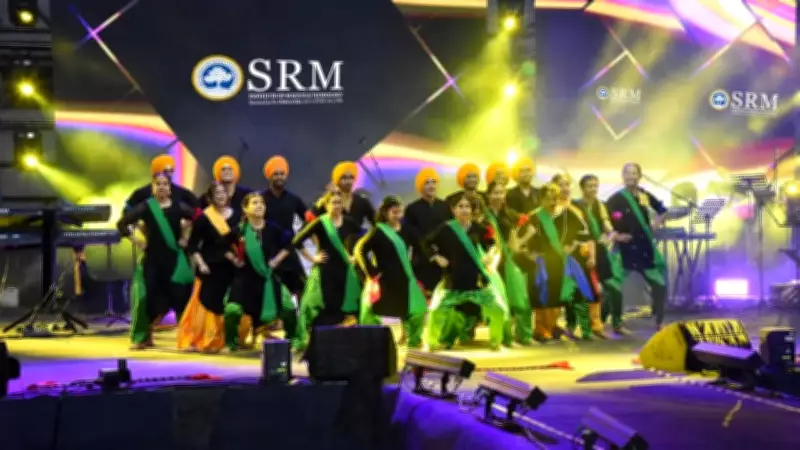
The final day carried forward the creative intensity while gradually moving the festival toward its conclusion. Competitions such as Ink & Imagination and Cinefest highlighted storytelling and cinematic creativity, while Design.exe brought together students interested in digital design and visual experimentation. Dance event Virsa continued the strong representation of performing arts within the festival schedule.
Fashion events formed another major highlight of the day. En Vogue Demain showcased fashion-focused performances and design presentations, while Au-Delà: Mr & Miss Milan emerged as one of the most anticipated segments. Participants combined style, stage presence, and personality, drawing significant audience engagement and reinforcing the aspirational, style-driven dimension of campus festivals.
As Milan 2026 approached its close, the festival moved toward the valedictory ceremony held at the TP Ganesan Auditorium. The closing event featured the appearance of actress Anishma Anilkumar, whose presence marked the formal conclusion of the four-day celebration and brought together participants, organisers, and audiences who had animated the campus throughout the festival.
Reflection on Youth Culture and Creativity
Milan 2026 exemplified how contemporary college festivals capture evolving youth culture, where art, competition, fandom, and digital influences intersect dynamically. Anchored in the theme of Indian Maximalism, it blended large-scale performances, competitions, and celebrity appearances, creating a shared campus experience that highlighted creativity, participation, and the collaborative spirit of student life. This festival not only entertained but also fostered a vibrant ecosystem for artistic expression and community building among students.
Disclaimer: The article has been produced on behalf of SRM University by the Times Internet's Spotlight team.