Lucknow University Vice-Chancellor Endorses Major Education Regulatory Overhaul
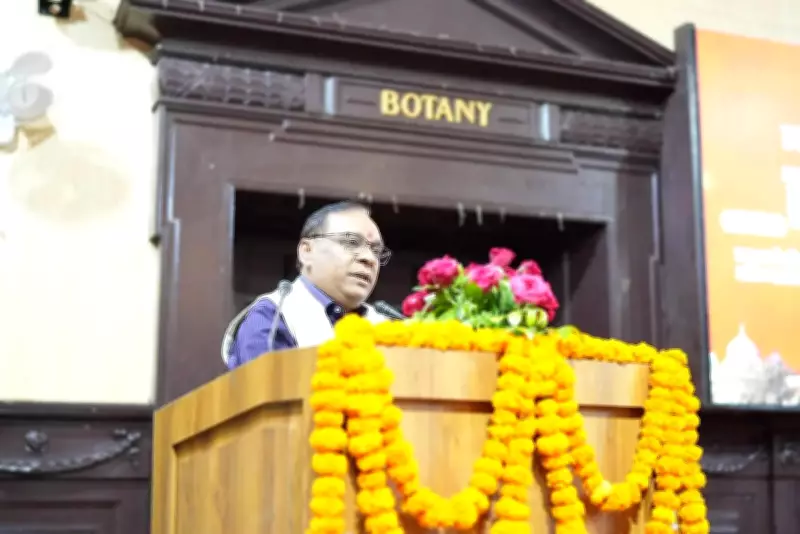
In a significant development for India's higher education landscape, Lucknow University's Vice-Chancellor, Professor JP Saini, has publicly voiced strong support for the proposed education reform bill aimed at creating a unified regulatory framework. Speaking at a seminar titled "Higher Education for a Developed India," organized by the Akhil Bharatiya Vidyarthi Parishad (ABVP), Prof Saini emphasized that this legislative initiative is poised to revolutionize governance structures and bolster academic standards across the nation.
Streamlining Governance Through a Single Authority
Prof Saini detailed that the bill envisions a comprehensive restructuring by replacing multiple existing regulatory bodies, including the University Grants Commission (UGC), the All India Council for Technical Education (AICTE), and the National Council for Teacher Education (NCTE), with a single, consolidated authority. This move is specifically designed to address long-standing issues of regulatory overlap, which often lead to bureaucratic inefficiencies and compliance burdens for educational institutions.
By consolidating these functions, the reform aims to:

- Reduce duplication of efforts and conflicting regulations that currently hamper smooth operations.
- Simplify compliance procedures, allowing universities and colleges to focus more on core academic activities rather than administrative hurdles.
- Enhance the overall focus on academic excellence by creating a more coherent and supportive regulatory environment.
Focus on Academic Excellence and National Development
During his address, Prof Saini underscored that the proposed framework is not merely an administrative change but a strategic step towards strengthening India's higher education system. He highlighted that by minimizing regulatory complexities, institutions can allocate more resources towards innovation, research, and quality teaching, ultimately contributing to the vision of a developed India as discussed in the seminar.
"This unified approach will empower universities to prioritize academic growth and foster an environment conducive to learning and discovery," Prof Saini remarked, aligning the reform with broader national goals for educational advancement.
The seminar, which brought together educators, students, and policymakers, served as a platform to deliberate on the future of higher education in India, with Prof Saini's endorsement adding weight to the ongoing discourse on regulatory reforms.