Karnataka Moves Closer to Mandating Traditional Attire for University Convocations
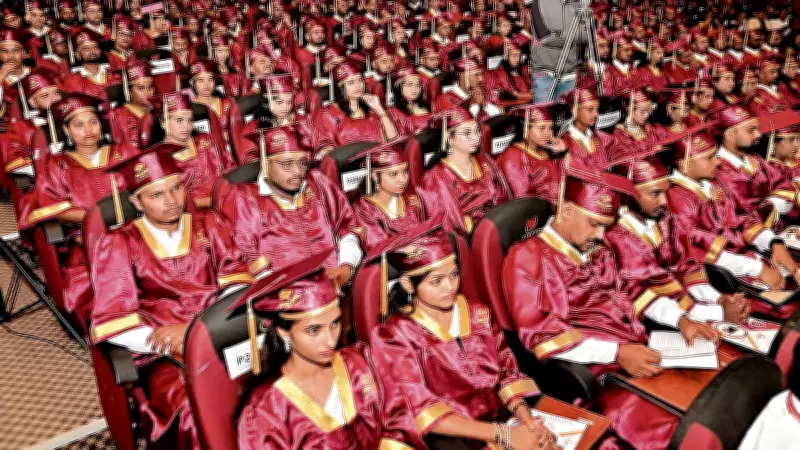
The state of Karnataka is taking a significant step towards cultural preservation by proposing a mandate that would require students and faculty to wear traditional Indian attire during university convocation ceremonies. This initiative aims to replace the conventional Western-style academic gowns and caps, which have been a standard feature in such events for decades.
Government's Push for Cultural Identity
The proposal, which is currently under active consideration by the state government, reflects a broader effort to emphasize India's rich cultural heritage in educational settings. Officials argue that convocations, as milestone events in a student's academic journey, should celebrate indigenous traditions rather than adopt foreign customs.
Key aspects of the plan include:

- Requiring all participants, including graduates, professors, and dignitaries, to don traditional outfits such as sarees, dhotis, or kurta-pajamas.
- Encouraging universities to incorporate local textiles and designs to showcase regional diversity.
- Providing guidelines to ensure the attire is formal and respectful, maintaining the solemnity of the occasion.
Reactions from Educational Institutions
Initial responses from universities across Karnataka have been mixed. Some institutions welcome the change as a positive move towards decolonizing education and fostering pride in Indian culture. Others express concerns about practical implementation, such as cost implications for students and logistical challenges in standardizing attire.
A vice-chancellor from a prominent university noted, "While we support the intent, we need to ensure this transition is smooth and inclusive, considering the diverse student population."
Broader Implications and Future Steps
If implemented, Karnataka would become one of the first states in India to enforce such a dress code for convocations. This move could set a precedent for other regions to follow, potentially sparking a nationwide shift in how academic ceremonies are conducted.
The state government is expected to finalize the policy after consulting with stakeholders, including university administrations, student bodies, and cultural experts. The goal is to roll out the mandate in the upcoming academic year, making convocations a more culturally resonant experience for all involved.