IISER Mohali Students Rally for Change with Campus-Wide Protest
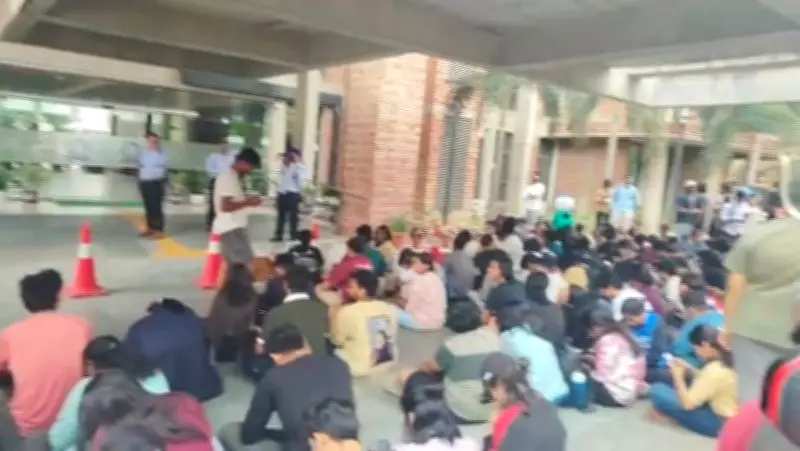
In a significant display of student activism, scholars at the Indian Institute of Science Education and Research (IISER) Mohali have launched a protest to voice their demands for substantial reforms within the institution. The demonstration, which has garnered widespread attention, underscores growing concerns over academic policies, infrastructure deficiencies, and a lack of administrative transparency that students argue are impacting their educational experience and future prospects.
Core Demands of the Protesting Students
The protest at IISER Mohali is centered on a set of key demands that students have articulated as essential for improving the campus environment. These include:
- Enhanced Academic Support: Students are calling for better access to research resources, updated laboratory equipment, and more flexible course structures to foster innovation and learning.
- Infrastructure Upgrades: There is a pressing need for improved hostel facilities, reliable internet connectivity, and modernized classrooms to support a conducive learning atmosphere.
- Administrative Accountability: Protesters are demanding greater transparency in decision-making processes, timely resolution of grievances, and more student representation in institutional committees.
- Health and Wellness Initiatives: Students have highlighted the necessity for robust mental health services, recreational spaces, and healthcare facilities on campus.
Impact on the Academic Community
The protest has sparked a broader conversation within the academic community about student rights and institutional responsibilities. Faculty members and alumni have expressed solidarity with the students, emphasizing that such movements are crucial for driving positive change in educational institutions. The demonstration has also drawn attention to similar issues faced by students at other premier institutes across India, potentially inspiring collective action for reform.

As the protest continues, students remain hopeful that their voices will lead to meaningful dialogue and concrete actions from the administration. The outcome of this movement could set a precedent for how student concerns are addressed in higher education settings nationwide.