Haryana Higher Education Department Implements Stricter Anti-Drug Measures in Universities and Colleges
The Haryana higher education department has issued a comprehensive directive to all universities and colleges across the state, mandating the implementation of stricter anti-drug measures. This initiative aims to create a safer and healthier academic environment by addressing the growing concerns of substance abuse among students.
Establishment of Drug-Free Zones and Mandatory Screening
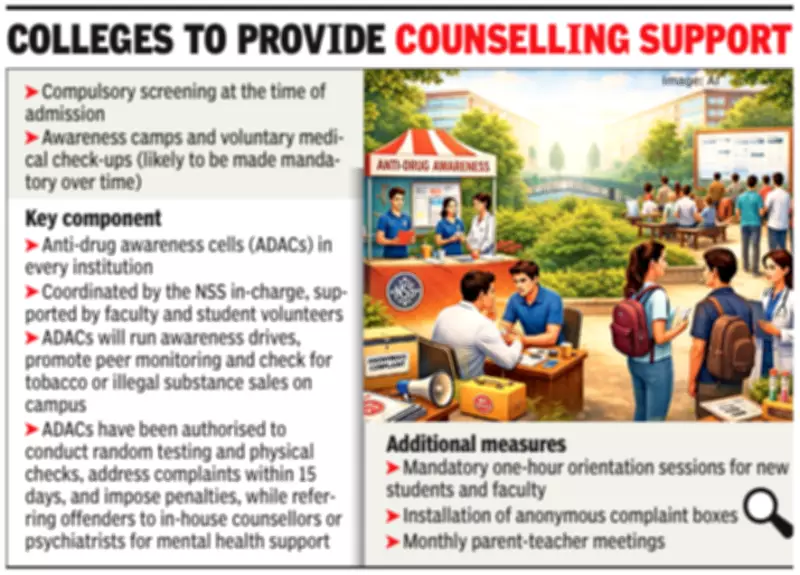
Under the new guidelines, all educational institutions are required to declare a 500-metre radius around their campuses as strictly monitored "drug-free zones." This measure is designed to prevent the sale and consumption of illegal substances in the vicinity of academic premises. Additionally, compulsory drug screening of students will be introduced at the time of admission, with a particular focus on first- and third-year students as part of the state's vision of building "drug-free colleges."
Reward System and Escalating Penalties
To encourage the reporting of drug use, a structured reward system has been implemented. Individuals providing verified tip-offs will receive Rs 500 for the first report, Rs 1,000 for the second, and Rs 1,500 for the third. Conversely, penalties for students found under the influence of drugs will escalate progressively. Initial offences will result in a warning, followed by fines of Rs 2,000 and Rs 5,000 for repeat offences, ensuring a balanced approach between deterrence and rehabilitation.

Comprehensive Approach: Enforcement, Counselling, and Rehabilitation
The directive emphasizes a holistic strategy that combines enforcement with counselling and rehabilitation. "The objective is not merely to punish but to ensure timely intervention and counselling for students who may be at risk," stated the official order. This approach aligns with recommendations made during meetings of the Narco Coordination Centre earlier this year, highlighting the need for a multifaceted response to drug-related issues.
Anti-Drug Awareness Cells and Institutional Responsibilities
A key component of the initiative is the establishment of anti-drug awareness cells in every institution. These cells will be coordinated by the NSS in-charge and supported by faculty members and student volunteers. Their responsibilities include conducting awareness drives, promoting peer monitoring, and checking for the sale of tobacco or illegal substances on campus. The cells will also perform random testing and physical checks, address complaints within 15 days, and impose penalties while referring offenders to in-house counsellors or psychiatrists for mental health support.
Additional Preventive Measures and Community Involvement
Further measures outlined in the directive include mandatory one-hour orientation sessions for new students and faculty, installation of anonymous complaint boxes, and monthly parent-teacher meetings to sensitise families about drug-related issues. Institutions have been instructed to hold awareness camps and conduct voluntary medical check-ups, with plans to make these mandatory over time. Voluntary urine testing will also be promoted to encourage early detection and intervention.
The Haryana higher education department's proactive steps reflect a commitment to fostering a drug-free academic environment, integrating enforcement with support systems to safeguard student well-being and promote a culture of health and responsibility across campuses.