GNDU Vice-Chancellor Champions Sustainable Materials for a Brighter Tomorrow
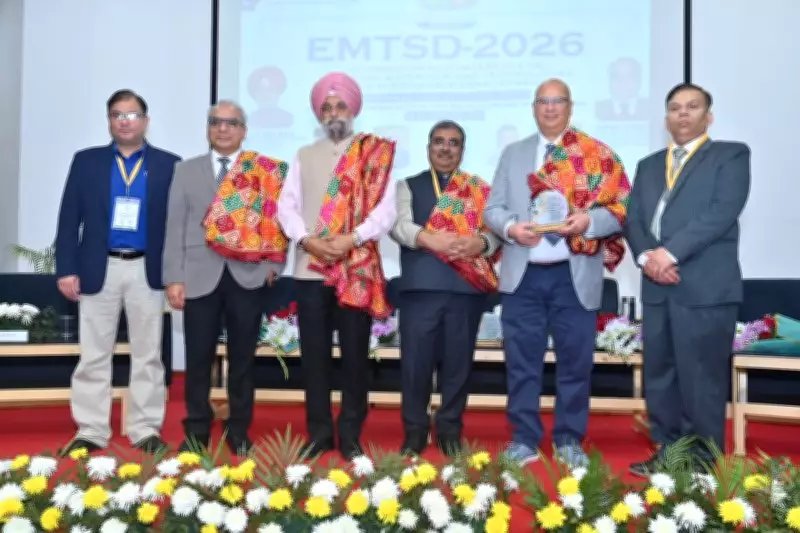
In a compelling address, the Vice-Chancellor of Guru Nanak Dev University (GNDU) in Amritsar has underscored the pivotal importance of sustainable materials as the cornerstone for creating a future that is not only viable but truly worth living. This call to action highlights a growing global imperative to shift away from resource-intensive practices and embrace eco-friendly alternatives.
The Urgent Need for Environmental Stewardship
The Vice-Chancellor articulated that the current trajectory of material consumption and waste generation is unsustainable. He stressed that the development and widespread adoption of sustainable materials are no longer optional but an absolute necessity. This approach is essential for mitigating environmental degradation, combating climate change, and preserving natural resources for future generations.
The focus must be on innovation in materials science, he noted, pointing to areas such as biodegradable plastics, recycled composites, and energy-efficient building materials. Universities and research institutions, like GNDU, play a critical role in pioneering these technologies and educating the next wave of scientists and engineers.

Academic Institutions as Catalysts for Change
Guru Nanak Dev University is positioning itself at the forefront of this movement. The Vice-Chancellor outlined several initiatives the university is undertaking to promote sustainability:
- Integrating principles of sustainable material science into relevant academic curricula.
- Fostering interdisciplinary research projects focused on green material development.
- Collaborating with industry partners to translate laboratory innovations into practical, market-ready solutions.
- Raising awareness among students and the broader community about the environmental impact of material choices.
This holistic strategy aims to create a ripple effect, influencing both policy and public behavior towards more responsible consumption patterns.
A Collective Responsibility for a Sustainable Future
The Vice-Chancellor's message extends beyond academia. He called for a concerted effort involving government bodies, private industries, and individual citizens. Policy support for green technologies, corporate investment in sustainable supply chains, and conscious consumer choices are all vital components of this collective mission.
By prioritizing materials that are renewable, recyclable, and have a low environmental footprint, society can build infrastructure, products, and economies that are in harmony with the planet. The vision presented is one where economic progress does not come at the expense of ecological health, ensuring a legacy of a clean and prosperous world for the children of tomorrow.