Gujarat Technological University Overhauls Engineering Curriculum
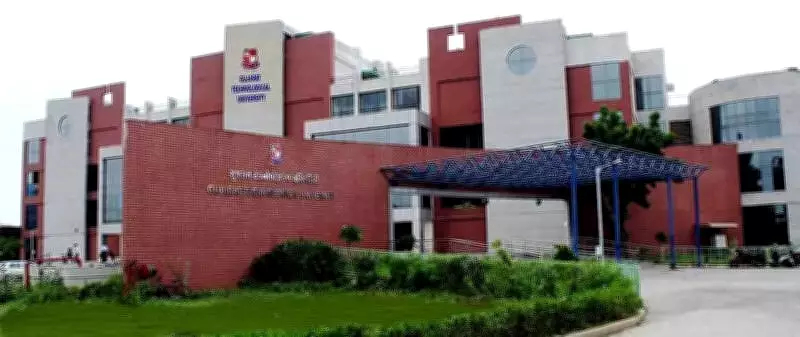
In a significant move to modernize engineering education, Gujarat Technological University (GTU) has rolled out a series of academic reforms aimed at boosting practical learning and interdisciplinary exposure for its students. These changes, approved by the university's academic council, are designed to bridge the gap between theoretical knowledge and real-world applications.
Project-Based Learning Takes Center Stage
Under the new system, project-based learning (PBL) will be mandatory for students pursuing degree engineering courses. Starting from Semester 5, students must complete PBL activities in at least two subjects each semester. The PBL components are structured as follows:
- 10 marks for a seminar
- 10 marks for a mini project
- 5 marks for a micro project
This initiative, totaling 25 marks per semester, encourages hands-on learning and helps students apply theoretical concepts to solve practical problems effectively.

Multidisciplinary Electives and Curriculum Integration
GTU has introduced the multi-disciplinary open elective course (MOPEC) system, allowing engineering students to choose subjects outside their core branch. For instance, a mechanical engineering student can opt for data science or other fields of interest, with earned credits integrated into their engineering curriculum. This approach fosters a broader skill set and interdisciplinary thinking.
Additionally, the university has mapped its engineering curriculum with the Bureau of Indian Standards (BIS) and Sustainable Development Goals (SDG). This integration familiarizes students with national quality standards and global environmental challenges early in their academic journey, rather than post-graduation.
Mandatory Societal Internship and Skill Training
A key reform is the mandatory 10- to 12-day societal internship between Semester 4 and Semester 5. This internship exposes students to real-world social issues, helping them understand practical solutions and connect with communities and industries.
For diploma students, GTU has included a 60-hour special skill-based training programme. This training aims to strengthen technical skills and better align knowledge with the requirements of the bachelor of engineering curriculum, ensuring a smoother transition and enhanced employability.
These comprehensive reforms by GTU are expected to produce more industry-ready engineers equipped with practical experience and a holistic understanding of global standards and societal needs.