Preparing for a Brave New World: How Education Must Adapt to AI and Tech
In an era where artificial intelligence and rapid technological advancements are transforming every aspect of our lives, the education sector stands at a critical crossroads. The traditional models of teaching and learning are no longer sufficient to equip students for the challenges and opportunities of the future. As industries evolve and new job roles emerge, there is an urgent need to rethink and revamp educational systems worldwide.
The Impact of AI on Future Careers
Artificial intelligence is not just a buzzword; it is a powerful force that is reshaping the job market. From automation in manufacturing to data analysis in finance, AI is creating new opportunities while rendering some traditional roles obsolete. This shift necessitates a fundamental change in how we prepare the next generation. Students must be taught not only technical skills like coding and data science but also soft skills such as critical thinking, creativity, and adaptability.
According to experts, the jobs of the future will require a blend of human and machine collaboration. For instance, roles in healthcare may involve AI-assisted diagnostics, while in education, personalized learning platforms could become the norm. Therefore, curricula must integrate AI literacy from an early age, ensuring that students understand both the potential and the ethical implications of these technologies.

Updating Educational Curricula
One of the key challenges in preparing for this brave new world is updating educational curricula to reflect the demands of the modern economy. Many current systems are still rooted in industrial-age practices, focusing on rote memorization and standardized testing. To foster innovation and resilience, schools and universities need to adopt more flexible and interdisciplinary approaches.
- Emphasis on STEM: Science, technology, engineering, and mathematics (STEM) subjects should be prioritized, but not at the expense of the arts and humanities. A balanced education encourages holistic development.
- Project-Based Learning: Hands-on projects that simulate real-world problems can help students apply theoretical knowledge and develop practical skills.
- Lifelong Learning: With technology constantly evolving, education must extend beyond formal schooling. Continuous learning through online courses and workshops will be essential for career advancement.
The Role of Teachers and Institutions
Teachers play a pivotal role in this transformation. They need ongoing professional development to stay abreast of technological trends and pedagogical innovations. Institutions must invest in training programs and resources that empower educators to integrate AI tools and digital platforms into their teaching methods.
Moreover, collaboration between educational institutions, industry leaders, and policymakers is crucial. Partnerships can lead to the development of relevant curricula, internship opportunities, and research initiatives that bridge the gap between academia and the workplace. By working together, stakeholders can ensure that education systems are agile and responsive to future needs.
Challenges and Opportunities Ahead
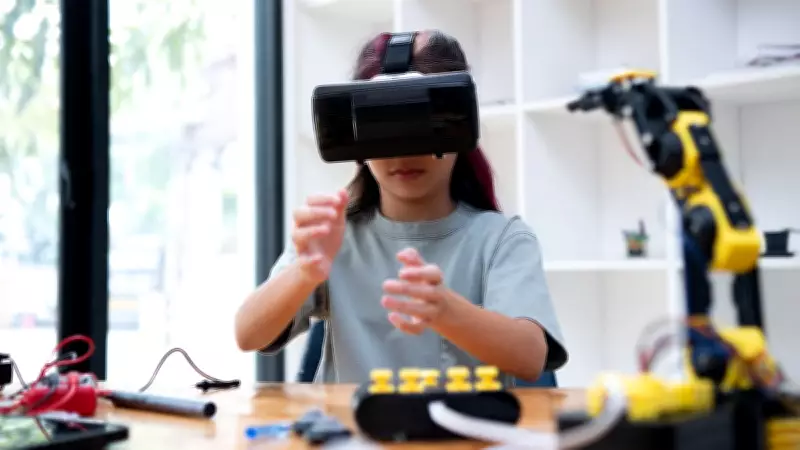
While the path to a tech-adapted education system is fraught with challenges, such as digital divide and resistance to change, it also presents immense opportunities. Embracing AI and technology can make education more accessible, personalized, and efficient. For example, adaptive learning software can tailor lessons to individual student needs, while virtual reality can create immersive learning experiences.
In conclusion, preparing for a brave new world requires a proactive and collaborative effort from all sectors of society. By updating curricula, empowering teachers, and fostering lifelong learning, we can equip students with the skills they need to thrive in an AI-driven future. The time to act is now, as the pace of technological change shows no signs of slowing down.