Security Lapses Persist at CIT Campus After Triple Murder, Exposing Safety Neglect
Even days after the shocking triple murder on the CIT campus in Chennai, critical security measures have remained alarmingly unchanged. The ground conditions reflect a pattern of continued neglect rather than any heightened vigilance or immediate safety improvements. Across the sprawling 54-acre campus, multiple vulnerabilities persist, creating an environment where outsiders can enter and move around with disturbing ease.
Visible Infrastructure Failures and Access Issues
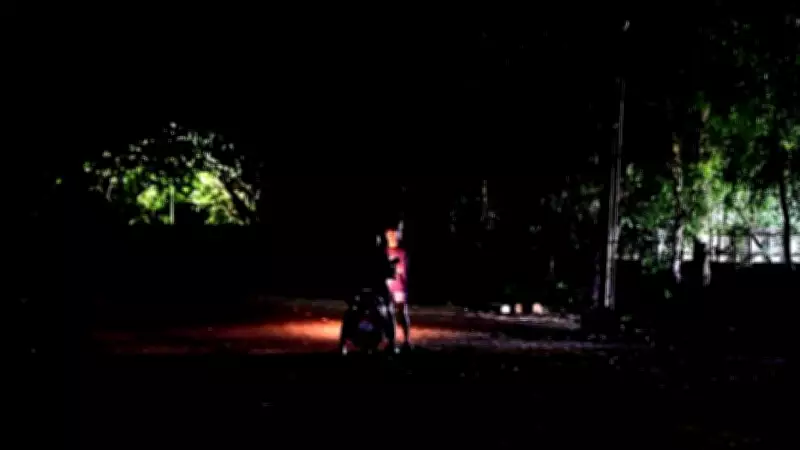
The campus exhibits several glaring security flaws, including broken compound walls, inadequate CCTV coverage, and dark stretches without functional street lighting. At least four abandoned buildings further complicate security by providing unchecked access points. Overgrown shrubs along internal roads offer cover for miscreants, who reportedly engage in nighttime drinking and eve-teasing activities. "The poor lighting helps them escape when we seek help," noted Hiran*, a student on campus, highlighting past incidents of molestation that have gone unchecked due to these conditions.
Lax Security Protocols and Guard Absences
During a recent visit, numerous liquor bottles were discovered near the boys' hostel dispensary, underscoring the lack of monitoring. Security guards were notably absent during night hours at key institutes such as the printing, textile, and leather facilities, with presence only maintained at the polytechnic college for women and the State Institute for Commerce Education. Even during working hours at the Institute of Chemical Technology—the site of the recent crime—entry checks were found to be lax. While principal S Janaki stated that guards were instructed to verify entries and monitor movement, multiple buildings remained accessible without any checks or interruptions.

CCTV System Failures and Inadequate Patrolling
The Directorate of Technical Education (DoTE), which maintains the campus under the higher education department, reported that 22 CCTV cameras were installed. However, an inspection revealed that nearly half were disconnected, broken, or non-functional. Police reliance on night patrolling includes a jeep stationed on OMR and one or two officers patrolling internal roads from 10 PM to 4 AM, assisted by college security. "We rely on night patrolling," explained a police officer from Adyar, though this has proven insufficient given the campus's size and vulnerabilities.
Student Testimonies and Worker Intrusions
Students like Vishal* reported that outsiders enter freely, with construction workers loitering near hostels and consuming alcohol without being questioned. Security guards admitted that workers illegally enter the premises at night despite regular rounds, and contractors have stated they lack control over workers after hours. Higher education secretary P Shankar's earlier assurance to clear bushes and regulate access remains unfulfilled, adding to the frustration.
Official Responses and Future Plans
In response to the murder, DoTE commissioner S Visakan pledged to push for the installation of at least 15 additional CCTV cameras and street lights along internal roads. He indicated that broader safety issues would be addressed after the completion of a ₹94 crore integrated building project, which promises new compound walls for better entry and exit regulation. "I have instructed authorities to monitor dark spots," Visakan added. Meanwhile, Adyar assistant commissioner (law and order) Murugesan emphasized that criminal activities are being curbed through frequent patrolling, with police teams capable of responding within three minutes and patrol strength adjustable based on concerns.
Despite these assurances, the persistent security lapses at the CIT campus highlight a critical need for immediate and sustained action to protect students and staff, ensuring such tragedies do not recur in an environment meant for learning and growth.