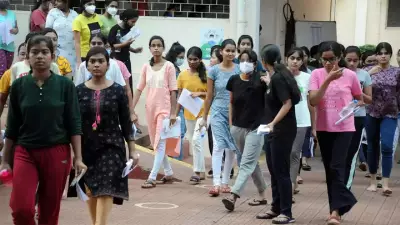
The Financial Tightrope for International Students
For countless international students, the dream of studying at prestigious foreign universities comes with a harsh financial reality. While campuses promise academic excellence and global exposure, the soaring costs of tuition and living expenses create significant burdens that many must navigate through unconventional means.
The Loan Dependency Cycle
Most foreign students fund their overseas education through substantial bank loans obtained from financial institutions in their home countries. These loans typically carry high interest rates and require careful financial planning. The debt accumulated during study years can follow graduates for decades, influencing career choices and life decisions long after they leave campus.
The average international student loan often exceeds $50,000, creating pressure to secure employment quickly upon graduation. This financial pressure begins even before students set foot on foreign soil, with many families mortgaging properties or depleting savings to cover initial costs.

Gig Economy as a Financial Lifeline
To manage these financial obligations, a growing number of international students are turning to gig economy work. This includes:
- Food delivery services during evenings and weekends
- Ride-sharing during peak hours
- Freelance digital work in fields like content creation and graphic design
- Tutoring services for local students
- Event staffing and hospitality work
These flexible work arrangements allow students to earn income while maintaining their study schedules, but they come with their own challenges. Gig work typically offers no benefits, job security, or career advancement opportunities, creating what experts call a "survival economy" for student workers.
The Academic Impact
The necessity of working multiple jobs affects academic performance and campus engagement. Students balancing 20-30 hours of weekly work alongside full course loads report:
- Reduced study time and research opportunities
- Limited participation in extracurricular activities
- Increased stress and mental health challenges
- Difficulty building professional networks
- Compromised sleep patterns and overall wellbeing
This creates a paradox where students work to afford their education but may compromise the quality of that education through work demands.
Long-term Consequences
The financial strategies international students employ have lasting implications. Graduates burdened with substantial debt may:
- Accept lower-paying jobs immediately to begin repayment
- Delay major life decisions like marriage, home ownership, or starting families
- Experience reduced mobility in early career stages
- Face challenges saving for retirement or emergencies
The gig economy experience, while providing immediate financial relief, rarely translates to career-relevant experience that enhances post-graduation employment prospects.
Institutional Responses and Policy Considerations
Some universities have begun addressing these challenges through:
- Increased scholarship opportunities specifically for international students
- On-campus employment programs with better wages and conditions
- Financial literacy programs to help students manage loans and expenses
- Partnerships with employers for paid internships
However, these initiatives remain limited in scope, and most international students continue to navigate the complex intersection of academic aspirations and financial realities largely on their own.
The situation highlights broader questions about the sustainability of international education models and the ethical dimensions of recruiting students who may struggle financially throughout their educational journeys.