Andhra University Launches Major Initiative to Preserve and Integrate Traditional Indian Knowledge
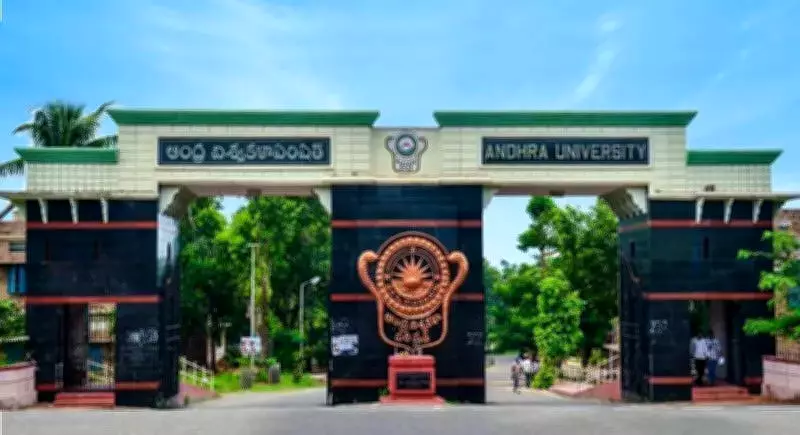
In a significant move to bridge the gap between ancient wisdom and modern education, Andhra University in Visakhapatnam has inaugurated a comprehensive capacity-building program focused on integrating Indian knowledge systems into contemporary curricula. The initiative, which underscores the critical importance of passing on traditional knowledge to future generations, was formally launched by GA Sharma, a former professor of Sanskrit at the university.
Program Details and UGC Support
The six-day program is organized under the prestigious Malaviya Mission Teacher Training initiative at Andhra University, with robust financial and logistical support from the University Grants Commission (UGC). This collaboration aims to equip educators with the tools and insights needed to incorporate age-old Indian knowledge into their teaching practices effectively.
During the inauguration, UGC financial advisor Sudeep Singh Jain highlighted the commission's ongoing efforts since 2023 to bring ancient Indian knowledge to the forefront of academic discourse. Jain revealed that these initiatives have already yielded impressive results, with 8,000 teachers, 200 master trainers, and over 1,000 researchers receiving specialized training to date.

Future Plans and Research Advancements
Looking ahead, the UGC has ambitious plans to expand this educational transformation. Starting next year, 35 specialised courses are proposed to further deepen the integration of traditional knowledge. Additionally, 64 research projects have been successfully completed under this framework, with financial support ranging from ₹5 lakh to ₹25 lakh provided to foster innovative studies in this domain.
Leadership Perspectives on Knowledge Preservation
Andhra University Vice Chancellor Prof GP Rajasekhar emphasized the dual necessity of fostering new innovations while preserving India's rich traditional knowledge. He pointed to the intricacy and relevance of Vedic mathematics formulas as a prime example of ancient wisdom that holds significant value in today's educational landscape. Rajasekhar stressed that integrating such knowledge is not just about preservation but about enriching modern learning experiences.
Prof. K. Eswar Kumar, director of the Malaviya Mission Teacher Training Centre, elaborated on the program's significance and implementation strategy. He noted that the National Education Policy has paved the way for including ancient Indian knowledge in teaching, learning, and research, making this initiative timely and essential. Kumar explained that the program is designed to provide practical guidance on how educators can seamlessly blend traditional insights with contemporary educational frameworks.
Program Coordination and Participation
The capacity-building program is coordinated by Prof P Shyamala, who, along with other faculty members and experts, is actively involved in ensuring its success. The event saw participation from a diverse group of educators, researchers, and academic leaders, all united in their commitment to revitalizing Indian knowledge systems.
This initiative at Andhra University represents a pivotal step in acknowledging and leveraging the depth of India's intellectual heritage. By training thousands of teachers and researchers, and proposing new courses, the program aims to create a sustainable model for integrating traditional knowledge into education, ensuring that future generations benefit from this timeless wisdom.