AI Era Demands Fundamental Rethinking of Education Priorities
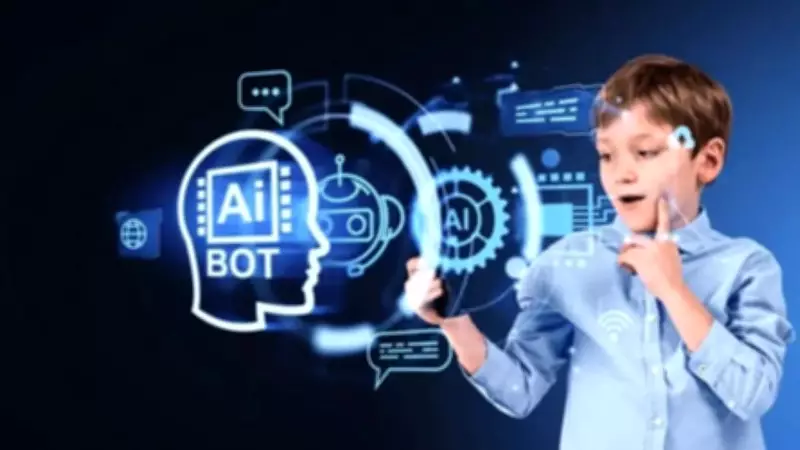
As artificial intelligence increasingly dominates every aspect of modern life, education systems worldwide face urgent pressure to reevaluate their fundamental approaches. While schools continue prioritizing standardized test performance and businesses still favor candidates with impressive academic credentials, leading experts now argue these traditional metrics may dangerously inadequately prepare children for the rapidly evolving future.
Beyond Academic Achievement: Cultivating Uniquely Human Capabilities
The essential educational shift requires developing distinctly human skills that remain challenging for artificial intelligence to replicate effectively. These include creative thinking, complex problem-solving, emotional intelligence, and adaptive reasoning. Theoretical neuroscientist Vivienne Ming, founder of The Human Trust, has conducted extensive research on human development within technological advancement contexts.
As reported by MSN.com, Ming emphasizes that parents and educators must transition from repetitive learning methodologies toward approaches that build practical, applicable capabilities. Crucially, she advocates eliminating the fear of making mistakes from educational environments, instead teaching children to embrace errors as valuable components of the learning journey.

Parents can actively encourage this mindset shift through simple, consistent practices. Regular home conversations about obstacles, failures, and problem-solving approaches help normalize the learning process. Creating environments where curiosity flourishes without judgment proves particularly impactful for developing creative capacities.
Fostering Curiosity and Critical Thinking Environments
One of the most significant transformations involves cultivating atmospheres that actively promote intellectual curiosity. Children demonstrate remarkable growth when immersed in stimulating environments presenting diverse perspectives, complex problems requiring critical analysis, and opportunities for independent judgment development.
As job landscapes undergo radical transformation, maintaining adaptability and critical thinking as educational cornerstones becomes increasingly vital. Rather than focusing primarily on obtaining correct answers, educational approaches should empower children to formulate better, more insightful questions.
The Technological Imperative for Educational EvolutionAs society accelerates into increasingly technological realities, educational methodologies must correspondingly evolve. While academic knowledge retains importance, exclusive reliance on traditional learning approaches insufficiently prepares children for long-term success in AI-influenced environments.
What ultimately distinguishes human capabilities involves capacities for unconventional thinking, adaptive response to unpredictable situations, and creative application when confronting novel challenges. Developing open-minded perspectives, persistent curiosity, and abilities to examine issues from multiple angles establishes crucial foundations for future readiness.
In contemporary environments where information accessibility presents minimal barriers, the genuine educational challenge shifts toward developing sophisticated comprehension, critical analysis, and meaningful application of available knowledge. This represents the essential educational transformation required for thriving in artificial intelligence dominated futures.