Abraham Lincoln's India Connection: Why He's Taught in Indian Classrooms
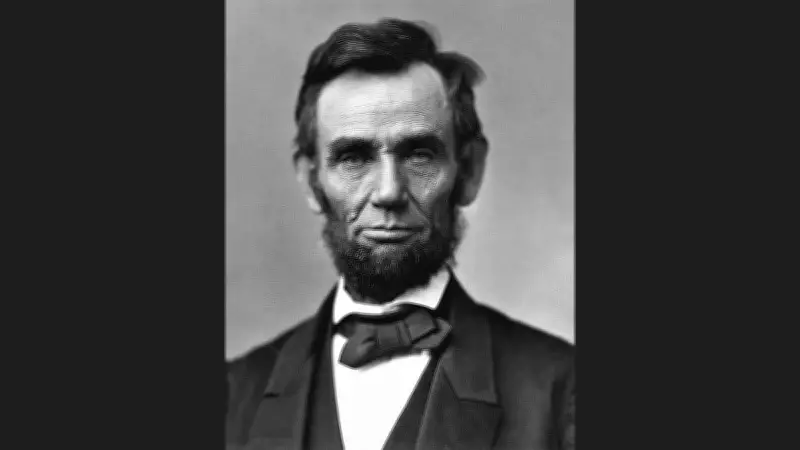
The story of Abraham Lincoln, the 16th President of the United States, is not just an American tale but one that resonates deeply in Indian classrooms. This connection stems from historical parallels and educational values that make Lincoln a relevant figure in India's academic landscape.
Historical Ties and Shared Values
During the American Civil War, India was under British colonial rule, and Lincoln's fight against slavery and for unity found echoes in India's own struggles for independence and social justice. His leadership during a period of national crisis is often compared to figures in Indian history who championed freedom and equality.
Lincoln's principles of democracy and human rights align closely with the ideals enshrined in India's Constitution. Educators highlight his emphasis on liberty and justice, which are core tenets taught in Indian schools to instill civic responsibility among students.

Educational Significance in India
In Indian curricula, Lincoln is frequently included in history and civics lessons. His life serves as a case study in leadership, resilience, and moral courage. Teachers use his story to discuss topics such as:
- The abolition of slavery and its global impact
- The importance of preserving national unity
- Ethical governance and public service
By studying Lincoln, students gain insights into democratic processes and the value of standing up for what is right, which are essential lessons in a diverse and democratic society like India.
Cultural and Global Relevance
Beyond history books, Lincoln's legacy is celebrated in India through various cultural references and academic discussions. His speeches, such as the Gettysburg Address, are analyzed for their rhetorical power and universal messages of hope and perseverance.
This inclusion in education helps bridge global historical narratives, showing how figures from different parts of the world can inspire and educate across borders. It underscores the interconnectedness of human struggles and triumphs.
In summary, Abraham Lincoln's presence in Indian classrooms is a testament to the enduring relevance of his ideals. By teaching his story, India not only honors a global leader but also reinforces its own commitment to democracy, equality, and education for all.