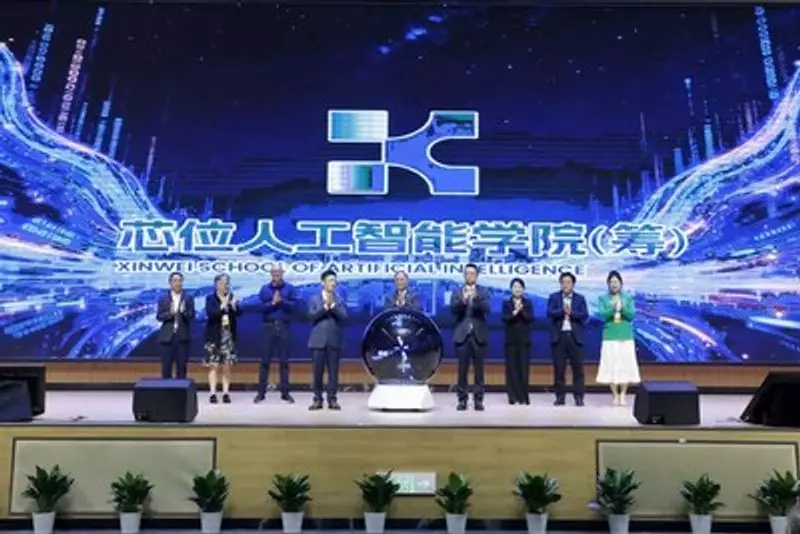
The 2025 Hainan International Forum on Higher Education Innovation and Development officially opened its doors on Tuesday, March 25, 2025, at the University of Sanya in China's Hainan province. This significant event brings together a diverse assembly of educational leaders, policymakers, and scholars to chart the future course of global higher education.
A Gathering of Global Minds for Educational Advancement
The forum's inauguration was marked by a grand opening ceremony attended by prominent figures from the academic and governmental spheres. Key participants included Wang Lu, the Vice Governor of Hainan Province, and Du Mingze, the Deputy Secretary-General of the Hainan Provincial People's Government. Their presence underscored the high-level importance the region places on educational innovation as a driver of development.
The event also saw active participation from leaders of several distinguished Chinese universities. Representatives from Shanghai Jiao Tong University, Fudan University, and Nanjing University were present, contributing their expertise to the discussions. The forum's agenda is packed with in-depth dialogues, thematic seminars, and collaborative sessions designed to tackle the most pressing challenges facing universities worldwide.

Core Themes and Strategic Discussions
The central theme of the forum revolves around fostering innovation and driving the high-quality development of higher education on an international scale. Discussions are strategically focused on several critical areas essential for modernizing educational systems and preparing graduates for a rapidly changing world.
A primary focus is on international collaboration and exchange. Delegates are exploring new models for partnership between Chinese institutions and universities across the globe, including those in India. The goal is to create more robust student and faculty exchange programs, joint research initiatives, and dual-degree opportunities that benefit all parties involved.
Another major topic is the integration of cutting-edge technology into the educational landscape. The forum is examining how digital tools and platforms can enhance teaching methodologies, improve administrative efficiency, and create more personalized learning experiences for students. This aligns with global trends where technology is becoming inseparable from effective education delivery.
Building a Shared Future for Global Education
Beyond specific collaborations, the forum serves as a platform to build consensus on the future trajectory of higher education. Participants are sharing insights on curriculum reform, the development of new interdisciplinary fields of study, and strategies for making education more inclusive and accessible.
The choice of the University of Sanya as the host venue is symbolic. As a key institution in the Hainan Free Trade Port, the university represents a hub of openness and international engagement. This setting perfectly mirrors the forum's mission to break down barriers and create a more interconnected global academic community.
The outcomes of this multi-day forum are expected to result in concrete action plans and memoranda of understanding. These agreements will lay the groundwork for tangible projects and partnerships that will shape the operational framework of higher education institutions in Hainan and their partner networks abroad for years to come.
Implications and the Road Ahead
The successful opening of the 2025 Hainan International Forum signals a strong commitment from China's Hainan province to position itself as a leader in educational innovation. For international partners, especially in regions like India with a massive higher education sector, this opens new avenues for academic and research cooperation.
The forum highlights a clear shift towards a more collaborative and open model of global education. By focusing on shared challenges like technological adaptation and curriculum relevance, it moves beyond simple exchange to deeper, systemic cooperation. The knowledge and connections forged here are likely to influence policy and institutional strategies worldwide, contributing to a more dynamic and resilient global higher education ecosystem.