The Central Bureau of Investigation (CBI) has made a significant breakthrough in the NEET UG paper leak case by arresting a professor from a coaching institute in Maharashtra. The arrest, which took place on Wednesday, has shed light on a widespread conspiracy aimed at compromising the integrity of one of India's most competitive medical entrance examinations.
Details of the Arrest
The accused, identified as Dr. Rajesh Sharma, a faculty member at a prominent coaching center in Pune, was taken into custody after a thorough investigation. The CBI's probe revealed that Dr. Sharma allegedly provided access to the question paper to a select group of students prior to the exam. This breach of trust has raised serious questions about the security measures in place for such high-stakes tests.
Modus Operandi
According to CBI officials, the paper leak was orchestrated through a network of intermediaries. Dr. Sharma is believed to have received the leaked paper from an unknown source and then distributed it to students who paid hefty sums for the unauthorized access. The investigation has so far uncovered transactions amounting to several lakh rupees, indicating a well-organized racket.

Impact on Students and the Examination System
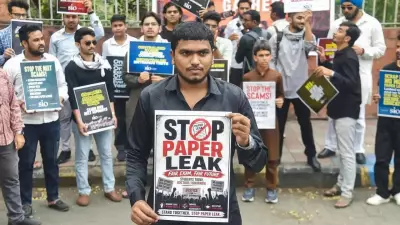
The NEET UG paper leak has caused widespread outrage among students and parents, who demand a fair and transparent examination process. The National Testing Agency (NTA), which conducts the exam, has come under scrutiny for its handling of the situation. In response, the NTA has announced a review of its security protocols and has promised strict action against any individuals found guilty.
Legal Proceedings
Dr. Sharma has been produced before a special CBI court in Mumbai, which has remanded him to judicial custody. The CBI is now focusing on identifying other key players in the conspiracy, including those who supplied the leaked paper and the students who benefited from it. The agency has also issued notices to several coaching institutes in Maharashtra and other states as part of its ongoing investigation.
Broader Implications
This incident has reignited the debate on the need for a more robust examination system in India. Experts argue that the current reliance on a single high-stakes exam creates a fertile ground for malpractices. Suggestions have been made to introduce multiple exams or a more decentralized system to reduce the risk of leaks and corruption.
The CBI's swift action in this case has been praised, but there is a growing call for preventive measures to ensure such incidents do not recur. The agency has assured the public that it will leave no stone unturned in bringing all perpetrators to justice.
As the investigation continues, the focus remains on restoring faith in the NEET UG examination, which determines the future of thousands of aspiring medical professionals each year.