JEE Main April Session Day Two Shift Two Analysis: Student and Teacher Reactions
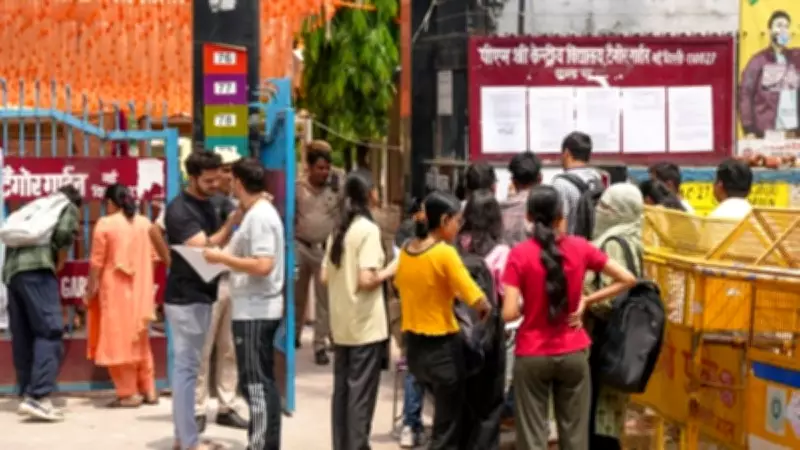
The Joint Entrance Examination (JEE) Main April session continued with its second day, featuring shift two, which concluded recently. This critical exam for engineering aspirants across India has drawn significant attention, with students and teachers providing detailed feedback on the paper's difficulty and structure.
Overall Exam Difficulty and Pattern
According to preliminary analysis from educators and students, the second shift of day two maintained a moderate to challenging difficulty level. The paper followed the standard pattern with 90 questions divided equally among Physics, Chemistry, and Mathematics, each carrying 100 marks. Students reported that the exam was largely aligned with the NCERT syllabus, but included some tricky application-based questions that tested conceptual understanding.
Subject-Wise Breakdown and Student Feedback
Physics: This section was generally perceived as moderate by most test-takers. Questions covered topics like Mechanics, Electrodynamics, and Modern Physics, with a focus on numerical problems. Students found the questions straightforward but time-consuming, requiring careful calculations.

Chemistry: Reactions from students indicated that Chemistry was the most manageable part of the paper. Inorganic and Physical Chemistry questions were direct, while Organic Chemistry had a few complex reactions that challenged some aspirants. Overall, this section was rated as easier compared to the others.
Mathematics: This subject emerged as the toughest, according to widespread student feedback. Questions from Calculus, Algebra, and Coordinate Geometry were reported to be lengthy and required advanced problem-solving skills. Many students struggled to complete this section within the allotted time, citing it as a major hurdle.
Teacher Insights and Expert Analysis
Educators and coaching institute experts have analyzed the shift, noting that the paper was designed to differentiate between high and average performers. Teachers emphasized that the Mathematics section, in particular, tested deep conceptual knowledge and speed, which could impact overall scores. They advised students to focus on time management and practice more problem sets in future preparations.
Experts also highlighted that the Physics and Chemistry sections were balanced, with a mix of theoretical and numerical questions. This approach aims to assess both memorization and application skills, reflecting the exam's evolving nature to better evaluate engineering aptitude.
Student Reactions and Post-Exam Sentiment
Students shared mixed reactions after the exam. Many expressed relief over the Chemistry section but voiced concerns about Mathematics, with some describing it as "exceptionally tough." Aspirants noted that the pressure was high due to the competitive nature of JEE Main, and this shift's difficulty added to their anxiety.
However, several students remained optimistic, stating that thorough preparation and mock tests helped them navigate the challenges. They recommended future candidates to strengthen their basics and practice extensively, especially in Mathematics, to handle such papers effectively.
Implications for Future Sessions and Preparation Tips
This analysis serves as a crucial reference for upcoming shifts and sessions of JEE Main. Based on feedback, students are advised to:
- Enhance problem-solving speed in Mathematics through regular practice.
- Focus on application-based questions in Physics and Chemistry.
- Utilize previous years' papers and mock tests for better time management.
- Stay updated with syllabus changes and exam patterns from official sources.
The JEE Main April session continues, with more shifts scheduled, and this analysis aims to guide aspirants in refining their strategies for optimal performance.