The Rise of Performing Arts in Modern Education
In an era where artificial intelligence and automation are fundamentally transforming careers and industries, parents are grappling with a crucial question: what competencies will genuinely equip their children for an unpredictable future landscape? While academic achievement maintains its importance, it is increasingly viewed as just one component of comprehensive preparedness. Communication, creativity, empathy, and adaptability are now widely acknowledged as the enduring skills that will define success.
Why Performing Arts Are No Longer Optional
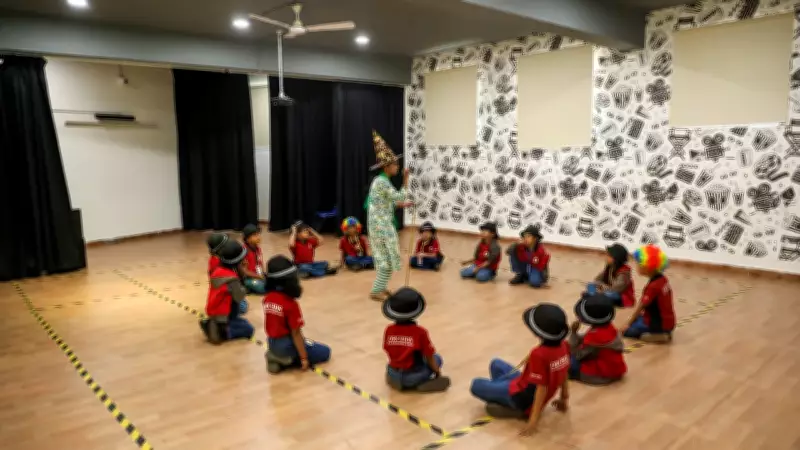
This evolving perspective explains why contemporary parents are actively selecting educational institutions with robust performing arts curricula. Schools that incorporate theatre, music, movement arts, and mime are gaining prominence. These disciplines have shed their former status as mere extracurricular activities. Today, they are recognized as powerful instruments for holistic development, influencing not only what children learn but also how they think, process emotions, and articulate themselves.
From a developmental psychology standpoint, this emphasis is well-founded. Early and middle childhood represent pivotal phases for brain development, where experiences directly mold neural pathways. Numerous studies consistently demonstrate that children participating in arts activities exhibit enhanced social-emotional capabilities, superior cognitive functions, and greater academic involvement.

The Multifaceted Benefits of Performance
Performing arts are uniquely potent because they demand simultaneous engagement of multiple faculties: intellectual, physical, and emotional. When a child rehearses a theatrical scene or masters a musical piece, they are concurrently honing memory, concentration, emotional regulation, and empathetic understanding. Theatre provides a secure environment for emotional discovery. Children who might find verbal expression challenging in daily interactions often discover liberation in portraying characters, enabling them to navigate complex feelings without apprehension of criticism.
Gradually, this fosters self-assurance, self-knowledge, and emotional intelligence. The advantages of performing arts extend well beyond artistic expression. Drama, music, and movement inherently nurture communication, teamwork, and analytical thinking—capabilities that educators, employers, and futurists unanimously identify as indispensable for tomorrow's workforce.
From Creative Expression to Essential Life Skills
Through performing arts, children learn to listen attentively, respond considerately, and function cohesively within teams. They cultivate discipline via practice, resilience through constructive feedback, and poise through public presentation. These are tangible, lived experiences rather than abstract concepts.
A particularly significant outcome is storytelling proficiency. In a world saturated with information, the capacity to convey ideas lucidly and persuasively has emerged as a critical leadership attribute across sectors. Notably, corporations are now establishing executive positions focused exclusively on storytelling, with remuneration packages underscoring its strategic value. This highlights a fundamental reality: storytelling transcends entertainment; it is about clarity, human connection, and influence.
Dispelling the Myth of Arts vs. Academics
Some parents express concern that arts involvement might compromise academic performance. Research indicates the contrary. Students engaged in arts education frequently demonstrate superior academic results, enhanced writing abilities, improved memory retention, and heightened focus. Arts participation is also correlated with increased school attachment and decreased behavioral challenges. Rather than conflicting with academics, the arts reinforce the foundational competencies that make learning more efficient and meaningful.
Perhaps most critically, performing arts bolster social-emotional growth. Collaborative creative settings assist children in developing empathy, managing stress, interpreting social signals, and building resilience. These attributes are becoming increasingly vital in a rapidly changing, digitally mediated world.

Orchids International School: A Model of Balanced Education
For parents pursuing an institution that authentically integrates academic rigor with whole-child development, Orchids International School presents a compelling case study. By embedding performing arts like theatre, music, and movement into its pedagogical structure, the school acknowledges that confident communication and emotional intelligence are equally as important as scholastic accomplishment.
This methodology reflects a nuanced comprehension of child development. Learners are motivated to investigate creative domains alongside core subjects, aiding them in building self-confidence, expressive abilities, and collaborative skills while maintaining solid academic foundations. The outcome is an educational atmosphere that prepares students not merely for examinations, but for life's broader challenges.
Education That Shapes Character and Capability
Performing arts education is neither a luxury nor a supplementary enhancement; it is an essential element in preparing children for the future. When parents select schools with vigorous arts programs, they are investing in more than artistic talent. They are fostering confident communicators, empathetic team players, and adaptable problem-solvers.
The children who perform on stage today are acquiring abilities that will benefit them indefinitely. By merging academic excellence with the transformative potential of the arts, educational institutions can help mold future-ready individuals capable of profound thinking, meaningful connection, and impactful storytelling.