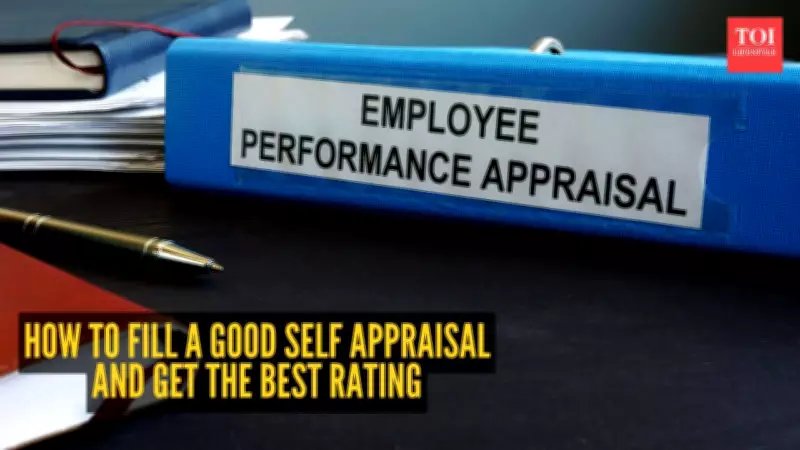
Master Your Self-Appraisal: A Strategic Guide to Secure Top Ratings in 2026
Let's be honest: drafting a self-appraisal often feels like a tedious chore you'd prefer to postpone until the last possible moment. However, looking beyond the corporate formalities, this process represents your pivotal "main character" opportunity. It is the annual occasion where you seize the microphone to narrate your professional story before others interpret it for you.
Combat Performance Amnesia with Evidence
In the dynamic work environment of 2026, managers frequently juggle numerous responsibilities, leading to what can be termed "performance amnesia." Your self-appraisal serves as the essential antidote. It ensures that your salary increments, performance ratings, and promotion prospects are grounded in factual achievements rather than relying on a supervisor's potentially vague recollections.
Quantify Achievements with Concrete Data
While your manager acknowledges your diligence, they may not recall the precise impact of your efforts. Instead of vaguely stating you "worked hard on sales," specify that you "increased monthly revenue by 22%." Adopt the mindset of "bringing the receipts." Numerical data functions as the universal dialect of business, rendering your accomplishments unmistakable and compelling.

If you managed a crisis or resolved a significant project issue, avoid undue modesty—document the exact outcomes. Leading with robust metrics demonstrates that you are not merely occupying a desk but delivering tangible return on investment for the organization.
Align Contributions with Organizational Objectives
No task exists in isolation. To distinguish yourself, illustrate your comprehension of the "Why" underlying your work. If the company's annual focus was "customer retention," elucidate how your specific actions enhanced client satisfaction and loyalty.
By connecting individual successes to team Objectives and Key Results (OKRs) or the corporate mission, you transition from appearing as a mere task-executor to emerging as a strategic collaborator. This alignment facilitates your manager's advocacy for a high rating, as they can clearly perceive how your contributions advanced collective targets.
Embrace Authenticity and Growth
Perfection is an unrealistic standard, and attempting to portray oneself as flawless in an appraisal can undermine credibility. A powerful review acknowledges challenges candidly. If a project encountered delays or you faced difficulties with a new software implementation, address it—but swiftly pivot to the insights gained.
Consider this approach: "In Q1, I grappled with prioritizing multiple deadlines, prompting me to adopt a new project-tracking system that enabled me to achieve 100% of my Q2 targets." This reflects maturity and a proactive growth mindset, which are highly valued traits.
Showcase Your Unique Value Proposition
Significant contributions often extend beyond quantifiable metrics. Are you the colleague who facilitated a new hire's onboarding? Do you streamline complex meetings to maintain team focus? Perhaps you provide stability during high-pressure deadlines.
This constitutes your Unique Value. These "soft" skills act as the cohesive force that strengthens team dynamics. If you have mentored peers or enhanced operational workflows, explicitly mention these in your appraisal. It reminds management that your worth encompasses not only task completion but also fostering a positive, efficient team culture.
Articulate Forward-Looking Goals
An exceptional appraisal does not solely reflect on past performance. Conclude by demonstrating your aspirations for future contributions. Rather than awaiting a prescribed development plan, propose one to your manager.
Whether it involves mastering a new AI tool or aspiring to lead a critical project independently, outlining forward-looking objectives signals your commitment to a long-term trajectory with the company. This shifts the dialogue from "what you accomplished" to "what you are capable of achieving," effectively setting the stage for your next career advancement.