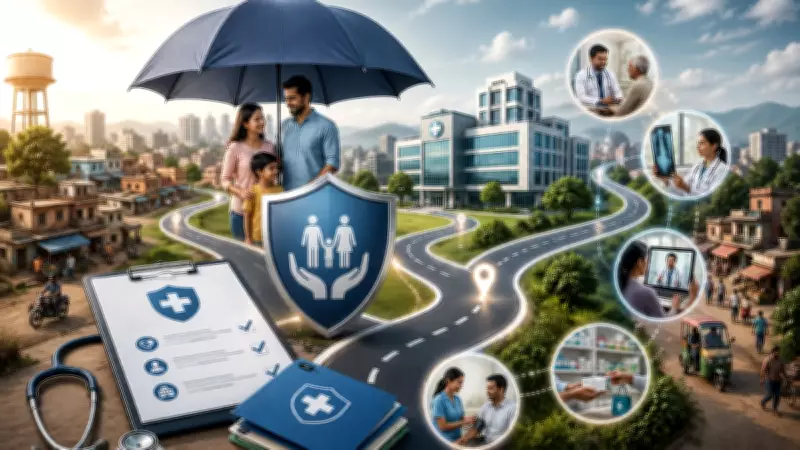
The healthcare landscape in India is undergoing a significant transformation, with a growing focus on extending quality health insurance coverage to Tier II and Tier III cities. A new roadmap, termed the 'Ultimate Care Model,' aims to address the unique challenges faced by residents in these regions, including limited access to healthcare facilities, lower awareness about insurance products, and affordability concerns.
Understanding the Need for a Tailored Approach
Residents of Tier II and Tier III cities often encounter barriers that their metropolitan counterparts do not. These include a scarcity of network hospitals, a lack of digital literacy for online claim processes, and a predominance of informal employment, which makes traditional health insurance models less effective. The Ultimate Care Model is designed to bridge these gaps by offering customized solutions that are both accessible and affordable.
Key Features of the Ultimate Care Model
- Localized Network Hospitals: Partnerships with regional healthcare providers ensure that policyholders have access to cashless treatment within their vicinity, reducing the need for travel to larger cities.
- Simplified Enrollment: The model incorporates assisted digital enrollment through local agents and kiosks, making it easier for individuals with limited digital exposure to sign up.
- Affordable Premiums: By leveraging lower operational costs and targeted risk pooling, insurers can offer premiums that are 20-30% lower than standard plans.
- Comprehensive Coverage: Plans include outpatient consultations, diagnostic tests, and maternity benefits, which are often prioritized by families in these regions.
Addressing Affordability and Awareness
One of the core challenges is the perception that health insurance is unnecessary or too expensive. The model incorporates community-based awareness campaigns and flexible payment options, such as monthly installments, to make coverage more attainable. Additionally, micro-insurance products with lower sums assured are being introduced to cater to lower-income households.

Technology as an Enabler
While digital tools are integral, the model recognizes the importance of human touch. A hybrid approach combines a user-friendly mobile app for claim tracking and telemedicine with a network of field agents who provide in-person assistance. This ensures that even those with limited technological proficiency can benefit from the system.
The Road Ahead
Pilot programs in cities like Lucknow, Coimbatore, and Nagpur have shown promising results, with a 40% increase in policy uptake within the first year. Insurers are now expanding these initiatives to other regions, with plans to cover over 100 cities by 2028. The Ultimate Care Model represents a significant step toward achieving universal health coverage in India, ensuring that no one is left behind due to geographical or economic constraints.