The Graduate's Impossible Job Hunt: Running a Marathon Blindfolded
For countless fresh graduates across the globe, the contemporary job search feels less like a straightforward application process and more like attempting to run a marathon while completely blindfolded. Without any prior professional experience to list on their resumes and facing endless systemic roadblocks, securing that crucial first position demands extraordinary levels of grit, resilience, and often, sheer luck.
The Vanishing Entry-Level Haven
Entry-level positions, which historically served as welcoming gateways for new talent entering the workforce, have undergone a dramatic transformation. Today, these same roles frequently come with bewildering prerequisites: demands for three or more years of relevant experience, niche technical skillsets, and now, fluency with artificial intelligence tools. This shifting landscape appears to be systematically slamming the door on an entire generation of eager, capable newcomers.
This creates a fundamental paradox for graduates: How does one possibly gain the coveted "industry exposure" when companies are increasingly reluctant to hire and provide that very opportunity? The frustration is palpable and widespread.

A Viral Cry for Help: The Graphic Designer's Nightmare
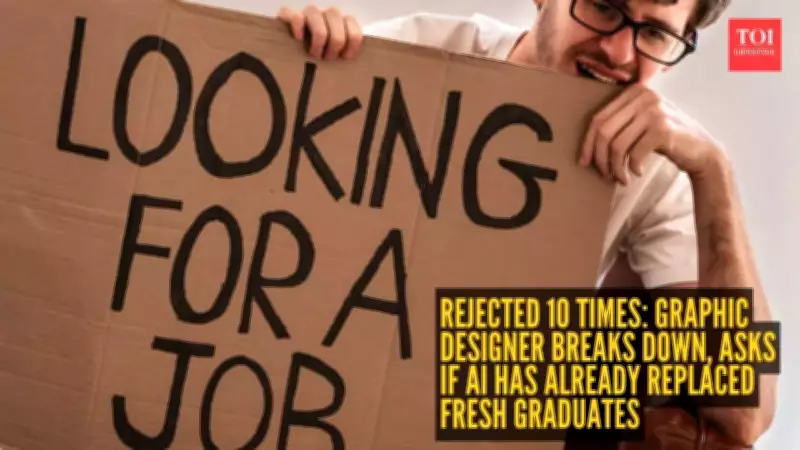
The raw, emotional post from a Redditor known as u/DesignDreamer2025 recently went viral, perfectly capturing this collective despair. The user detailed a graphic design job hunt nightmare that resonates with millions. They graduated last year with what they describe as a "killer" portfolio, showcasing four years of successful freelance work for real clients, mastery of Adobe Creative Suite, and undeniable readiness to contribute from day one.
The brutal reality unfolded over ten separate in-person interviews. Each time, the candidate would advance impressively through multiple rounds, receiving positive feedback on their consistency, strong portfolio, and evident skill. Yet, every single opportunity ended with the same crushing rejection, citing the need for "more experience." Hiring managers praised the freelance work but explicitly stated a preference for candidates with formal in-house or agency backgrounds—even for roles labeled as entry-level.
The comment section exploded with solidarity. "Same boat—portfolio is fire, but lacks that salaried stamp," wrote one user. Countless other fresh graduates shared similar stories, feeling trapped in a professional limbo: How can you possibly prove your worth if no one will give you the chance? This rejection loop is not just discouraging; it actively crushes spirits, despite the clear potential demonstrated by relentless hustle.
The Work Experience Paradox: A Modern Catch-22
This situation exemplifies a vicious cycle plaguing new entrants to the job market. Employers frequently ghost fresh applicants, stating they seek candidates with one to three years of experience for supposedly entry-level work. When graduates point to freelance projects, bootcamp certifications, or academic projects, the response is often dismissive: "Not the same experience."
As the Redditor vented, this creates an infinite, unsolvable loop: You cannot get the experience without the job, and you cannot get the job without the experience. It's a rigged system where companies increasingly seek fully-trained professionals without wanting to invest in the training costs, effectively gatekeeping entire industries.
The AI Layoff Factor: Intensifying the Crisis
Compounding this experience paradox is the rising tide of layoffs driven by artificial intelligence integration. While AI may not be fully "replacing" creative roles like designers yet, it is fueling significant workforce reductions under the banner of "efficiency." Headlines from 2025 highlight agencies slashing headcounts by 30% as tools like Adobe's generative fill become mainstream.
Surviving professionals are adapting by learning prompt engineering and focusing on the irreplaceable human touch in edits. However, for graduates, this presents a double whammy: they must now prove they are irreplaceable amidst rising automation while also competing against a pool of more experienced employees who have been displaced, further crowding the entry-level space.

Finding Hope Amid the Grind: Strategies to Crack the Code
Despite the daunting landscape, all is not lost. The discussion sparked by the Redditor's post yielded several actionable strategies for graduates to beat the system:
- Target Startups and Smaller Companies: These organizations often value hustle, adaptability, and fresh ideas over lengthy traditional resumes. They may be more willing to take a chance on raw talent.
- Leverage Freelance Platforms Strategically: Use platforms like Upwork not just for income, but to secure projects that provide "agency-like" credibility and client testimonials.
- Proactive Networking: Go beyond applications. Cold-message established creatives on LinkedIn or X (formerly Twitter) with specific praise for their work and a concise showcase of your own portfolio.
- Build Public Proof of Skill: Actively post your work on social media, contribute to open-source design projects, or start a blog analyzing design trends. Create a visible trail of your expertise and passion.
- Embrace AI as a Tool, Not a Threat: Become the human-AI maestro. Learn to use generative tools to amplify your creativity and efficiency, positioning yourself as someone who can leverage new technology rather than be replaced by it.
Perhaps the most critical advice involves a fundamental mindset shift. Graduates must internalize that repeated rejection is often a filter reflecting the market's dysfunction, not a verdict on their potential or worth. The job market is a marathon, not a sprint. The key is to lace up, persist with strategic action, and outlast the quitters. Your breakthrough, while challenging, is still within reach.