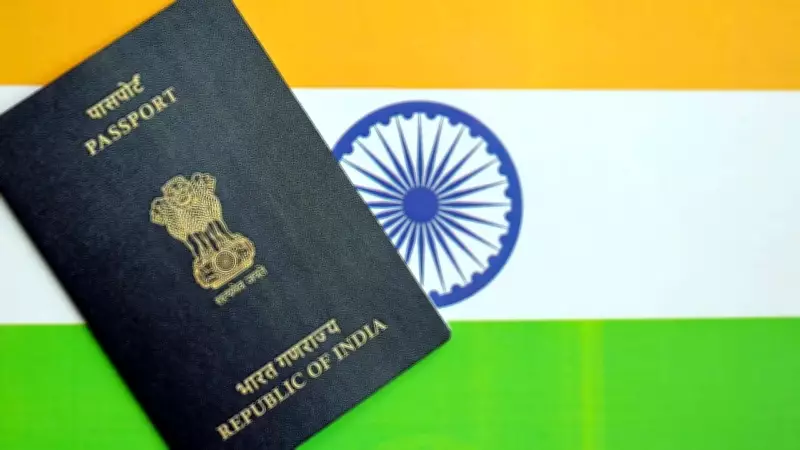
The terms ECR (Emigration Check Required) and ECNR (Emigration Check Not Required) can be confusing for many Indian passport holders. These classifications become particularly important when applying for or renewing a passport, or when seeking employment overseas. However, for tourism and vacation trips, the difference between the two is minimal.
What Are ECR and ECNR?
ECR stands for Emigration Check Required, while ECNR stands for Emigration Check Not Required, also known as Non-ECR. This system was created as part of the emigration process for Indian citizens to prevent exploitation, abuse, trafficking, illegal recruitment, and poor working conditions in select foreign labor markets. Under this system, certain passport holders must undergo an emigration check before traveling abroad for work in designated countries, while others are exempt.
Who Gets an ECR Passport?
Indian citizens who have not passed the Class 10 (matriculation) examination and do not fall under any exempted category are issued passports with an ECR stamp. This category primarily targets individuals who may be vulnerable to exploitation while seeking employment abroad. Having an ECR passport does not restrict international travel; the requirement only applies when the holder intends to work in designated countries that mandate emigration clearance.

Who Does ECNR Apply To?
The majority of Indian passport holders fall under the Non-ECR category. This includes individuals who have studied up to Class 10 or beyond. Other exemptions include taxpayers, government servants, persons aged over 50 years, children below 18 years, certain occupational categories, and those with overseas experience. Modern Indian passports no longer carry a separate ECNR stamp. If a passport does not have ECR printed on it, it is automatically considered Non-ECR.
Does ECR Affect Tourism?
A common misconception is that ECR passports impose restrictions on international travel for vacations. In reality, an ECR passport allows its holder to travel abroad for tourism, job interviews, studies, medical treatment, or visiting family without needing emigration clearance. The clearance is mandatory only when traveling to specific ECR countries for employment. For most travelers, the ECR or ECNR status makes no practical difference.
How to Determine Your Passport Status
In older passports, the ECR endorsement was typically mentioned on the observation page. In new passports, if the passport is ECR, it will state "Emigration Check Required" on the last page. If no such endorsement appears, the passport is considered Non-ECR.
Why the System Exists
The Indian government introduced the ECR scheme to protect migrant workers going to certain countries from issues such as contract substitution, non-payment of wages, poor living conditions, and recruitment fraud. The process ensures that contracts and recruitment procedures are verified, reducing the risk of exploitation. The ECR visa category is relevant only for those seeking employment abroad; most individuals need not worry about it during their travels. If your passport lacks any ECR status, you are a Non-ECR passport holder and do not require emigration clearance for working in other countries.