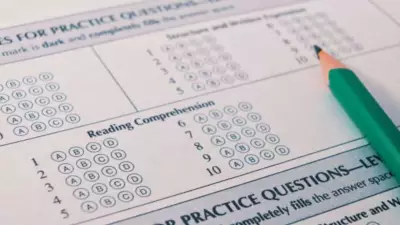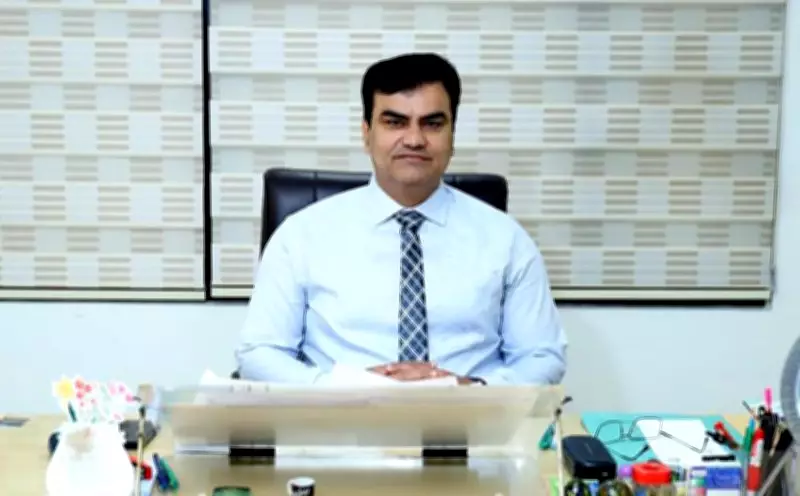
Education is undergoing a fundamental shift, moving away from rote memorization and standardized testing toward creativity, critical thinking, and real-world application. According to Rajiv Budhraja, Acting Principal of MGN Public School in Urban Estate-II, Jalandhar, the central question in education today has changed from “Did you follow the rules?” to “What did you bring to the table?”
Experiential Learning Takes Center Stage
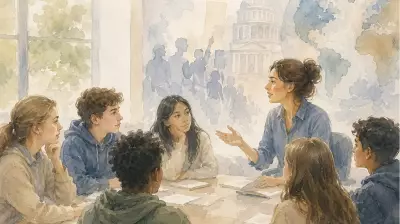
While core subjects like mathematics, grammar, and science remain essential, they are increasingly taught through experiential methods rather than repetition. History is brought to life through storytelling, science is explored through design and experimentation, and literature is interpreted via discussions and podcasts. This approach mirrors the demands of the real world, where success depends on flexible thinking, creativity, and the ability to apply knowledge across disciplines.
Students who learn by doing, think visually, or communicate through narratives now have greater opportunities to demonstrate their understanding beyond the limitations of standardised assessments.

Creativity as a Fundamental Competency
Creativity, once considered an added advantage, is now recognized as a fundamental competency. Colleges and employers increasingly value individuals who can solve unfamiliar problems, adapt to changing circumstances, and communicate ideas effectively in diverse ways. These abilities cannot be developed through drills alone; they emerge through experimentation, calculated risk-taking, and learning from failure.
Holistic Education Beyond Academics
Holistic education takes this philosophy further by acknowledging that a child is more than their academic performance. Confidence, curiosity, emotional well-being, and relationships all influence how learning takes place. When the curriculum is connected to everyday life—such as viewing cooking through the lens of chemistry, budgeting as an application of mathematics, and conflict as an opportunity to develop negotiation skills—knowledge becomes meaningful, enduring, and transferable beyond the classroom.
Budhraja emphasized, "Education today is moving beyond rote learning towards creativity, critical thinking and real-world application. By connecting knowledge with experience, it prepares students not only for examinations and careers, but also for meaningful, lifelong engagement with the world."
The Quiet Aspiration of Modern Education
This is the quiet aspiration of holistic and creative education: not merely to prepare young people for the world but to help them feel at home in it. As Rabindranath Tagore wrote, true education “does not merely give us information but makes our life in harmony with all existence.” That single word—harmony—captures the essence of education. It is not about mastering the world but learning to live in alignment with it; not about accumulating information that is soon forgotten, but about cultivating understanding that endures for a lifetime.