Navigating the 2026 Layoff Wave: How to Spot Job Danger and Take Control
The technology sector is experiencing turbulent times in 2026, with over 71,000 positions eliminated in just the first few months. Teams are shrinking unexpectedly, and even traditionally stable roles now feel precarious. That familiar sense of dread during Monday morning logins is becoming a widespread reality for professionals across industries.
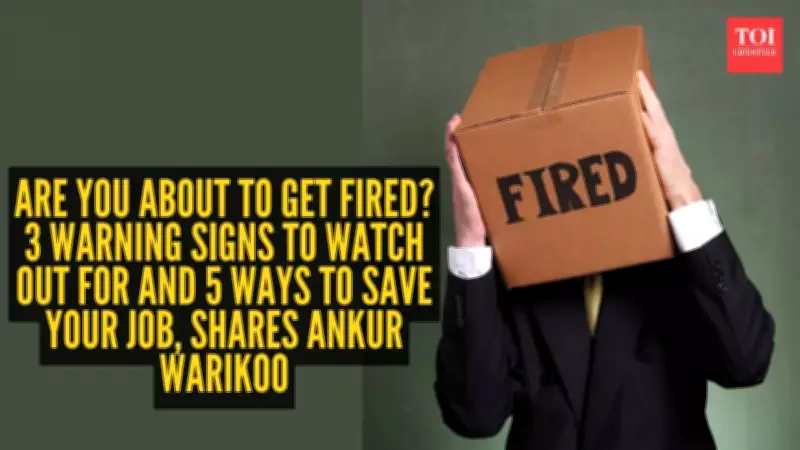
Entrepreneur and author Ankur Warikoo recently addressed this concerning trend in a viral LinkedIn post that has resonated with thousands. His central message: recognizing subtle workplace shifts early can help you pivot strategically before receiving termination notices. Based on Warikoo's insights, here are three critical warning signs that your job might be at risk and five practical ways to either secure your current position or prepare for your next opportunity.
Three Critical Warning Signs Your Job Is in Jeopardy
Red Flag 1: You're Being Systematically Sidelined

Have you noticed your projects mysteriously disappearing or being reassigned without consultation? Are you consistently excluded from important meetings that previously included you? Warikoo identifies this pattern as the "quiet freeze-out"—a deliberate process where your visibility within the organization gradually diminishes, indicating you're no longer considered part of the core team.
This exclusion often manifests subtly in open-plan offices: you might be the last person informed about developments, or hear phrases like "others can handle this" regarding tasks you previously managed. Psychological research supports the seriousness of this situation—studies using fMRI technology by Eisenberger and colleagues demonstrate that social exclusion activates the same brain regions associated with physical pain. Rather than ignoring these signals, Warikoo recommends initiating a conversation with your manager: "I'm excited about project X—how can I best contribute?" If you receive vague responses or silence, it's time to update your resume.
Red Flag 2: Zero Investment in Your Professional Growth
Are promotions consistently stalled? Have performance appraisals become vague or repeatedly delayed? When managers avoid assigning new challenging projects and your career development appears stagnant, Warikoo identifies this as a significant warning signal. Companies typically stop investing in employees they anticipate letting go during upcoming restructuring.
This silent treatment can be particularly demoralizing in growth-focused corporate environments. Monitor these indicators: Is your upskilling budget nonexistent? Are regular check-ins with your supervisor inconsistent or canceled? These patterns often suggest you're on what human resources professionals call the "manage out" list. Counter this trend by requesting clear, measurable goals for each quarter. If management remains unresponsive or evasive, consider exploring alternative opportunities.
Red Flag 3: Team Shrinking While Workloads Explode
Have colleagues departed without replacements being hired, leaving you juggling multiple roles simultaneously? When combined with cost-cutting measures, return-to-office mandates, or frozen benefits, Warikoo characterizes this as "structural surgery"—organizations preparing for more significant workforce reductions by redistributing responsibilities among remaining staff.
Watch for these organizational metrics: Is headcount decreasing in your department? Are budget discussions becoming increasingly secretive? While this situation often reflects broader financial calculations rather than personal performance, professionals in volatile sectors should be particularly vigilant. Protect yourself by meticulously documenting your expanded responsibilities and the resulting workload.
Five Strategic Ways to Secure Your Career Future
Warikoo emphasizes proactive measures rather than passive worry. These actionable steps can transform career anxiety into strategic agency.

- Build a Substantial Financial Buffer: Aim to accumulate savings covering six to twelve months of essential expenses. Warikoo's financial analysis demonstrates that this cushion provides critical decision-making freedom—preventing panic acceptance of unsuitable opportunities. Implement automatic transfers of 20% from each paycheck into savings, and critically evaluate subscription services and discretionary spending. The psychological peace from knowing basic expenses are covered is invaluable.
- Document Everything Systematically: Maintain a weekly record of your accomplishments, including specific metrics, successful project completions, and positive feedback received via email or other channels. Warikoo notes this documentation serves dual purposes: it provides compelling evidence during job interviews if transition becomes necessary, and it strengthens your position during performance reviews if you remain with your current employer.
- Supercharge Your Professional Network: Since most positions are filled through referrals rather than public postings, actively nurture your connections. Reach out to former colleagues, participate in alumni events, and maintain genuine engagement within your industry circles. These relationships often provide early awareness of opportunities before they reach general recruitment channels.
- Boost Your Visibility Strategically: Instead of fading into the background, increase your professional presence thoughtfully. Contribute meaningfully during team meetings, share relevant updates through appropriate channels, and volunteer for cross-departmental initiatives. Warikoo suggests that strategic visibility can counteract the "quiet freeze-out" dynamic.
- Monitor Your Company's Investment Patterns: Observe where organizational resources are being allocated—which departments are receiving funding, where new hires are concentrated, and which projects receive executive attention. Warikoo describes this awareness as "directional radar" that can guide internal mobility decisions, potentially allowing you to transition to expanding teams within your organization.
In today's unpredictable employment landscape, combining vigilant observation with proactive career management provides the strongest foundation for professional stability. By recognizing early warning signs and implementing Warikoo's strategic recommendations, professionals can navigate uncertainty with greater confidence and control.