Second-Order Thinking: The Discipline That Builds Consistency, Confidence, and Civil Services Success
In the competitive world of Civil Services preparation, most aspirants rely on immediate outcomes—comfort, relief, or quick gratification—when making decisions. This approach, known as first-order thinking, answers only one fundamental question: "What happens right now?" However, true success in the UPSC examination demands a more sophisticated and forward-looking mindset.
Understanding Second-Order Thinking
Second-order thinking goes beyond the surface-level consequences of decisions. It involves considering the longer-term effects, unintended outcomes, and ripple impacts of choices. While first-order thinking focuses on immediate results, second-order thinking asks: "What happens next, and then what?" This discipline requires aspirants to look past short-term comforts and evaluate how today's actions will shape tomorrow's results.
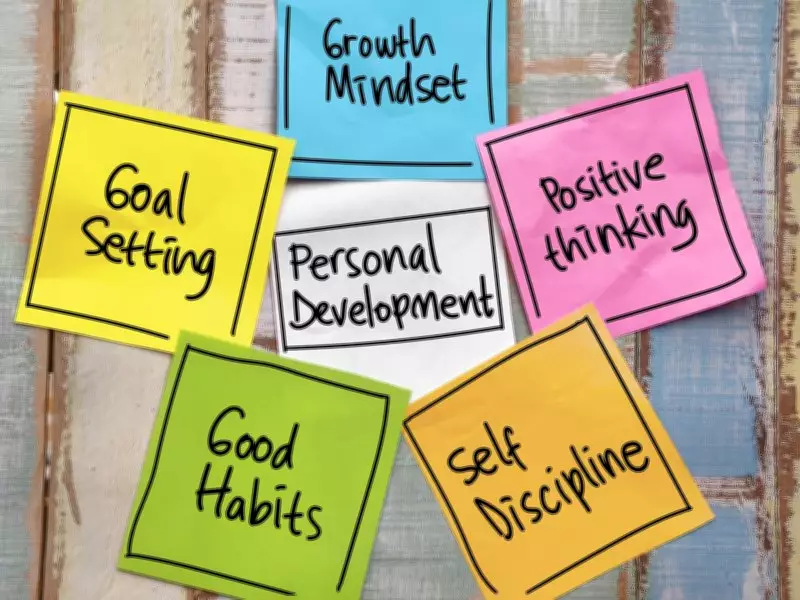
Transforming Daily Habits and Building Self-Discipline
For Civil Services aspirants, mastering second-order thinking can revolutionize daily study routines and lifestyle choices. Consider these practical applications:

- Study Schedule Decisions: Choosing to study an extra hour today (first-order: fatigue) leads to better topic mastery (second-order: improved exam performance).
- Health and Wellness: Opting for a nutritious meal over junk food (first-order: less immediate pleasure) results in sustained energy levels (second-order: enhanced concentration during long study sessions).
- Time Management: Reducing social media usage (first-order: temporary boredom) creates more productive study hours (second-order: comprehensive syllabus coverage).
By consistently applying this thinking framework, aspirants develop stronger self-discipline. They learn to resist distractions and prioritize actions that align with their ultimate goal of clearing the UPSC examination.
Strengthening Focus and Exam Readiness
The UPSC examination process is a marathon, not a sprint. Second-order thinking helps aspirants maintain focus throughout this extended journey. When faced with challenging topics or difficult concepts, this approach encourages persistence by highlighting the long-term benefits of thorough understanding.
- Building Confidence: Each decision made with second-order thinking reinforces an aspirant's belief in their preparation strategy. This accumulated confidence becomes invaluable during the actual examination.
- Developing Consistency: Regular application of this thinking discipline creates sustainable study patterns that withstand the pressures of long-term preparation.
- Enhancing Problem-Solving Skills: The analytical nature of second-order thinking directly improves an aspirant's ability to tackle complex questions in both preliminary and main examinations.
The Path to Civil Services Success
While first-order thinking might offer temporary relief from study pressures, second-order thinking provides the strategic advantage needed for UPSC success. Aspirants who master this discipline transform their preparation from a series of isolated study sessions into a cohesive, goal-oriented journey.
This advanced decision-making approach doesn't just prepare candidates for the examination—it cultivates the mindset required for effective public service. The same thinking patterns that help clear the UPSC will later assist in making sound policy decisions and addressing complex governance challenges.
As Civil Services aspirants navigate their preparation journey, embracing second-order thinking becomes more than just a study technique. It evolves into a life skill that builds the consistency, confidence, and clarity needed to excel in one of India's most demanding examinations and beyond.