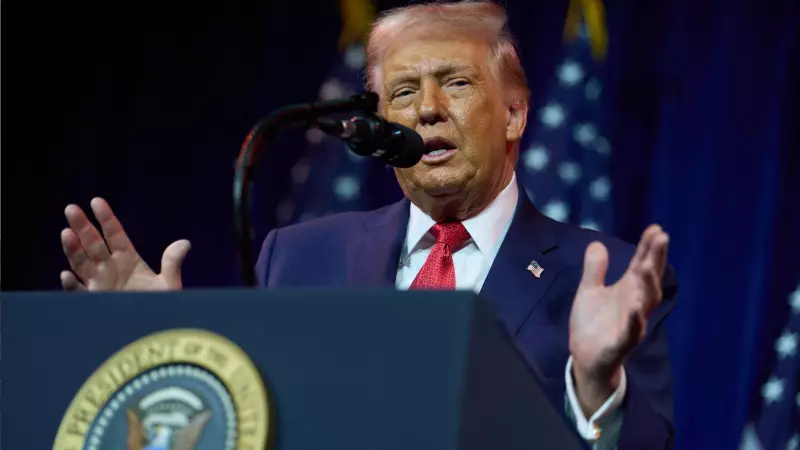
In a startling revelation, United States Commerce Secretary Howard Lutnick has attributed the collapse of a high-stakes trade agreement between India and the US to a single, critical lapse: Prime Minister Narendra Modi not making a phone call to then-President Donald Trump. Lutnick's comments, made during an interview on the All-In podcast on January 9, peel back the curtain on the tense final stages of negotiations that ultimately left India without a favourable deal.
The Crucial Missed Connection
Howard Lutnick detailed his role as the lead negotiator, describing himself as the "greatest table setter" who would arrange the terms. However, he emphasized that the final approval rested with President Trump. "I would negotiate the contracts and set the whole deal up. But let’s be clear, it’s his deal... So I said, ‘You got to have Modi call. It’s all set up. You have to have Modi call the president.’ They were uncomfortable doing it, so Modi didn’t call," Lutnick stated. This failure to connect at the highest level, according to him, was the pivotal moment when the agreement began to unravel.
He explained that Indian negotiators later returned to finalize the pact, but by then, the window of opportunity had closed. The US side had moved on and was no longer offering the same terms. "And then India calls back and says, Oh, okay, we were ready. I said, ready for what it was like three weeks later. I go, ‘are you ready for the train that left the station three weeks ago?’" Lutnick remarked, highlighting the lost chance.

Trump's "Staircase" Strategy and India's Place in Line
Lutnick provided crucial context by explaining President Trump's unique negotiation tactic, which he likened to a staircase. "President Trump does deals like a staircase. First stair gets the best deal," he said. The United Kingdom secured the initial agreement, setting a baseline. Subsequent deals with other nations like Indonesia, the Philippines, and Vietnam were negotiated at "a higher rate" on this staircase.
India, he revealed, was explicitly named by Trump as a likely next partner and was given a deadline of three Fridays to conclude its deal. When India missed that window, other countries stepped in and secured agreements, pushing India further back in the queue and onto a higher, less favourable step of the negotiation staircase. "So now the problem is the deals came out at a higher rate... And then India calls back... I said, then. Not now," Lutnick clarified, indicating that the terms India had initially discussed were no longer on the table.
Broader Trade Context and Consequences
These disclosures come amidst a challenging trade environment for India with the United States. The remarks follow a statement by US Senator Lindsey Graham that President Trump had "greenlit" a Russia sanctions bill. This legislation aims to impose massive 500% tariffs on countries purchasing Russian oil, a move with significant potential implications for India's energy imports.
Compounding this, India already faces substantial tariffs of up to 50% on several of its exports to the US. This has hurt Indian exports to one of its largest markets and negatively impacted investment flows. Lutnick succinctly summed up India's position, saying, "India just was, you know, on the wrong side of the seesaw…"
The failed trade deal, as narrated by the US Commerce Secretary, underscores the high-stakes and personality-driven nature of international diplomacy during the Trump administration. It reveals how procedural missteps and timing, beyond just the technical terms of trade, can determine the fate of major bilateral agreements, with lasting economic consequences.