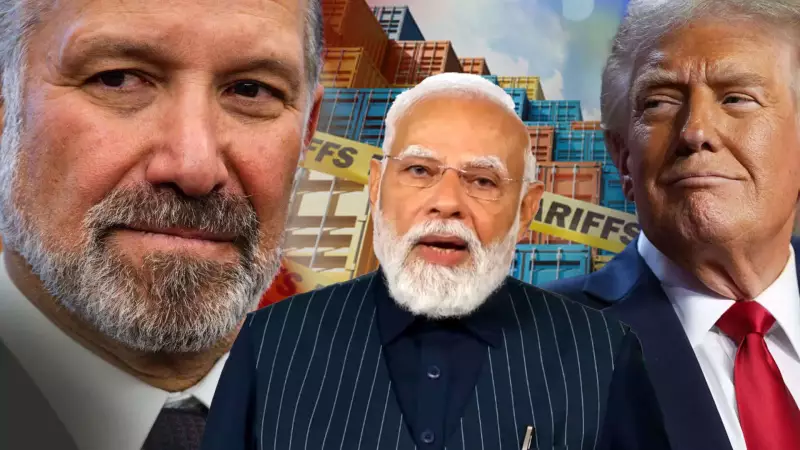
A fresh diplomatic row has emerged between India and the United States, centering on a stalled bilateral trade agreement and public remarks from a senior US official. The controversy adds a new layer of tension to the relationship, already strained by differences over energy imports and tariff policies.
Lutnick's Remark: A Personal Snub or Policy Stance?
The core of the new dispute stems from a claim made by US Commerce Secretary Howard Lutnick. According to Lutnick, a significant trade deal between the two nations failed to materialize because Prime Minister Narendra Modi did not personally call former President Donald Trump to discuss it. This assertion, made in early January 2026, frames the breakdown as a matter of personal diplomatic engagement rather than purely policy differences.
This comment did not occur in a vacuum. It follows closely on the heels of public criticism from Trump himself, who recently mocked PM Modi and issued warnings about potential tariff hikes targeting India. The primary trigger for Trump's ire is India's continued trade in Russian oil, a practice that has persisted despite Western pressure following the Ukraine conflict. New Delhi has consistently defended its energy purchases as a necessity driven by national interest and economic stability.

Escalating Tensions: Tariffs, Sanctions, and National Interest
The backdrop to this exchange is increasingly high-stakes economic posturing. The Trump administration has explicitly linked the threat of increased tariffs to India's foreign policy decisions, particularly its relationship with Russia. Furthermore, discussions in the US Congress about potential sanctions bills aimed at nations engaging with Russia have raised the stakes for bilateral trade.
India's official position, as reiterated by government sources, remains steadfast. New Delhi maintains that its trade and foreign policy decisions are made based on sovereign national interest and are not subject to external pressure politics. The suggestion that a high-level phone call could have singularly altered a complex trade negotiation is viewed with skepticism in Indian policy circles, where such deals involve extensive technical discussions.
Broader Implications for India-US Strategic Ties
This episode highlights the fragile and transactional nature that can sometimes characterize international diplomacy, especially under leadership styles that prioritize personal rapport. The public airing of grievances by US officials introduces an element of unpredictability into the relationship.
The immediate consequences are twofold. Firstly, it casts a shadow over ongoing and future trade negotiations, suggesting that procedural or perceived personal slights could derail progress. Secondly, it complicates the broader strategic partnership, where cooperation on security, technology, and countering Chinese influence in the Indo-Pacific remains a mutual priority for both nations.
As of now, the Indian government has not issued a direct rebuttal to Lutnick's specific claim about the phone call. However, its broader stance is clear: economic engagements will proceed on terms that protect India's core interests. The coming weeks will reveal whether this war of words escalates into concrete policy actions, such as the imposition of new tariffs, or if both sides can compartmentalize these disputes to preserve the larger strategic framework.