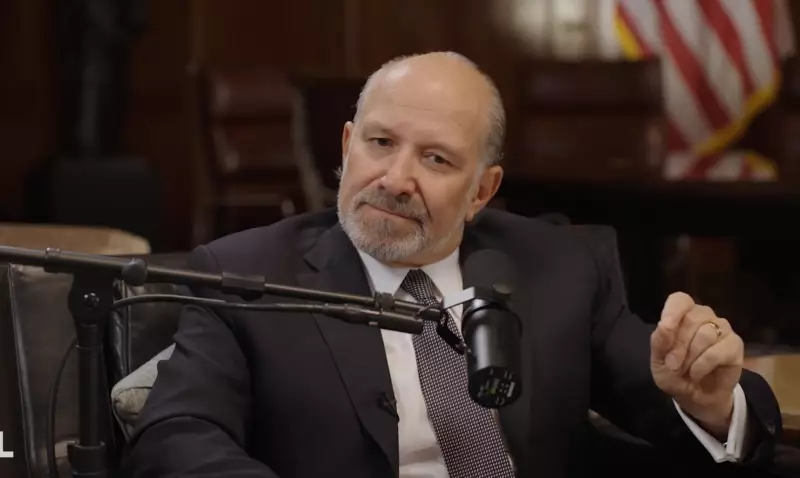
In a revelation that sheds light on the stalled trade negotiations between the two nations, a senior US official has pointed to a specific diplomatic hurdle. US Commerce Secretary Howard Lutnick has publicly stated that the anticipated India-US trade deal remains unsealed because Prime Minister Narendra Modi did not place a call to former President Donald Trump.
The Crucial Call That Never Happened
Howard Lutnick made a significant statement explaining the current deadlock. "I set the deal up. But you had to have Modi call President Trump. They (India) were uncomfortable with it. So, Modi didn't call," Lutnick claimed. This comment highlights a key moment where diplomatic protocol or political comfort may have impacted high-stakes economic discussions.
Background: Tariffs and Geopolitical Tensions
The trade relationship faced a significant strain back in August, when the United States imposed additional tariffs on Indian imports. The US administration alleged that New Delhi's continued purchase of Russian oil was indirectly fueling Moscow's war efforts in Ukraine. This move escalated existing trade tensions.

As a consequence, the total tariffs on various Indian goods exported to the US now stand at a substantial 50%. This hefty figure is a combination of:
- The 25% of additional tariffs imposed in August.
- An existing 25% from the earlier reciprocal tariffs instituted during the Trump administration.
Implications and the Road Ahead
Lutnick's statement brings to the forefront the complex interplay between diplomacy and trade. The reluctance cited suggests underlying sensitivities in the bilateral relationship, possibly related to India's independent foreign policy stance, especially concerning Russia. The stalled deal and high tariffs present a continued challenge for Indian exporters and businesses aiming for greater access to the American market. The path forward likely depends on navigating these diplomatic channels alongside the substantive economic disagreements.
This development underscores how personal dynamics between leaders and geopolitical positioning can directly influence major economic agreements, leaving businesses and economies in a state of uncertainty.