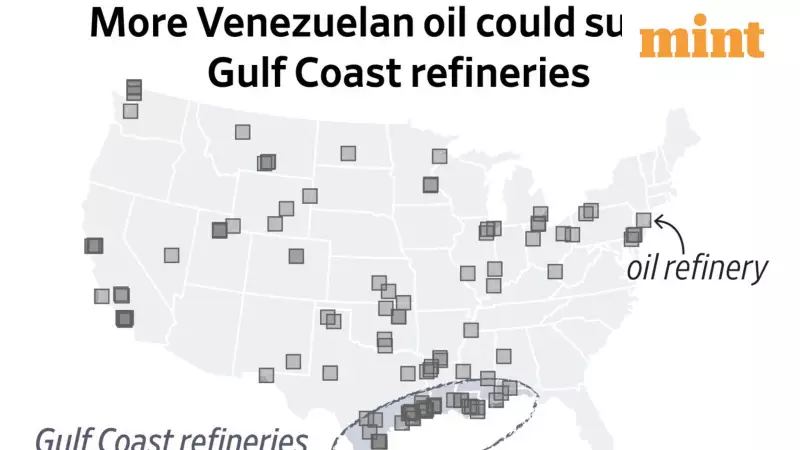
In a surprising twist of global energy dynamics, the United States, which pumps more crude oil than any other nation, finds itself actively seeking supplies from Venezuela, a country whose production has collapsed. This need persists despite the massive shale drilling boom that has flooded the market with light, sweet oil from regions like West Texas and North Dakota.
The Refinery Mismatch: Why Shale Oil Isn't Enough
The core of the issue lies in a fundamental mismatch. The historic shale revolution unleashed vast quantities of light, sweet crude. However, a significant portion of America's refining infrastructure, built decades ago, was specifically designed to process heavier, more sour grades of oil. About 70% of U.S. refining capacity runs most efficiently with this heavier crude, according to the American Fuel & Petrochemical Manufacturers trade group.
These refineries, concentrated along the Gulf Coast where nine of the country's ten largest plants are located, are engineering marvels optimized for heavier feedstocks. As Secretary of State Marco Rubio highlighted on ABC's "This Week," "Our refineries on the Gulf Coast are the best in the world in terms of refining this heavy crude and there's been a shortage of heavy crude around the world."

The Global Hunt for Heavy Crude
Traditionally, the U.S. sourced this crucial heavy crude from a trio of suppliers: Canada, Mexico, and Venezuela. However, this supply chain has faced major disruptions. Venezuela's oil output has plunged dramatically in recent years due to economic and political crises, and most of its remaining production is now redirected to allies like Cuba and China.
Simultaneously, shipments from Mexico have also declined. This double squeeze forced American refiners to turn increasingly northward. Canada has ramped up heavy crude production from its oil sands and now ships more oil to U.S. refineries than all other international suppliers combined. Yet, the demand for the right mix of crudes remains insatiable.
In total, to create the perfect blend for products ranging from gasoline and diesel to jet fuel and asphalt, about 40% of the oil processed in American refineries is imported. This intricate balancing act happens even as the U.S. exports its excess light crude overseas, a practice allowed since the export ban was lifted a decade ago, making America a top global exporter to destinations like India, China, and Europe.
Strategic and Economic Implications
The situation presents a complex picture. On one hand, the U.S. energy sector is powerfully independent, leading the world in production and exports. On the other, its sophisticated industrial base—the refineries—remains tied to global heavy crude markets. This dependency explains the continued strategic interest in Venezuelan oil, as noted by officials including President Trump and Secretary Rubio.
They argue that providing "space" for private industry could unlock tremendous demand for Venezuelan crude, helping to feed the Gulf Coast's complex refineries. The goal is not energy independence in a simplistic sense, but optimizing a vast, interconnected system where different grades of oil are tools for different jobs. The American oil machine, while the largest in the world, still requires specific raw materials to run at peak efficiency and maintain its competitive edge in global fuel markets.