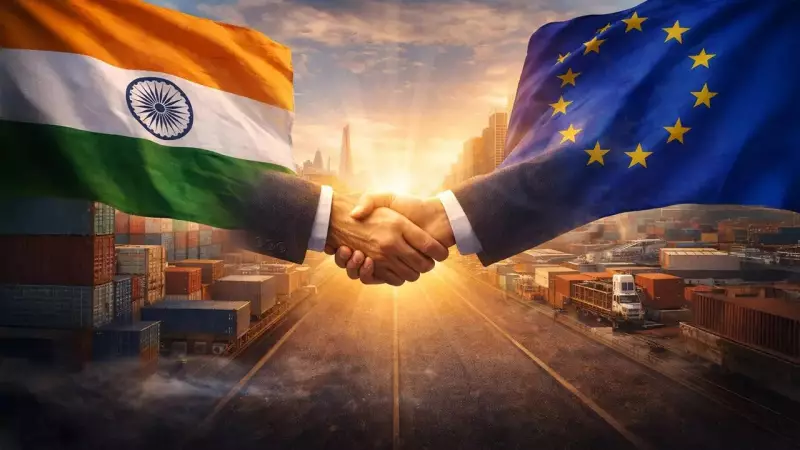
The United States and European Union are locked in a tense tariff dispute. This conflict might create unexpected benefits for India. Trade analysts now believe the EU could move faster to strengthen commercial ties with New Delhi.
US Slaps Tariffs on European Nations
President Donald Trump announced new import duties on goods from several European countries. The list includes Denmark, Norway, Sweden, France, Germany, the United Kingdom, the Netherlands, and Finland. These tariffs start at 10% on February 1.
The rates will jump to 25% on June 1. According to reports, the duties will stay in place until the United States completes what Trump called the "complete and total purchase of Greenland." The move comes after these nations supported Denmark's position against any US acquisition of the territory.

India-EU Trade Deal Gains Momentum
India and the European Union are in the final stages of negotiating a Free Trade Agreement. The ongoing US-EU friction could push Brussels to seal the deal quickly. Sanjay Jain, managing director of TT Ltd, shared his perspective.
"The EU might want to hasten the operational part of the deal," Jain said. "It may not only give us a better deal but also accelerate the process of ratification." His company exports readymade garments.
Both sides plan to officially announce the conclusion of FTA negotiations during a summit in New Delhi. The event is scheduled for January 27.
High-Profile Diplomatic Visits
The timing aligns with a significant state visit. European Council President Antonio Costa and European Commission President Ursula von der Leyen will visit India from January 25 to 27. Their itinerary includes attending India's Republic Day celebrations on January 26 as chief guests.
An official familiar with the negotiations highlighted India's strategic advantage. "There could be an opportunity for India as it is a stable trade partner in a world full of disruptions," the official noted. The comment referenced India's growing exports to China during ongoing trade tensions between Washington and Beijing.
Trade experts observe that the EU, facing pressure from US tariffs, may view India as a reliable alternative partner. This shift in focus could lead to more favorable terms for New Delhi in the final agreement. The potential deal covers a wide range of goods and services, aiming to boost bilateral trade significantly.
Market analysts are watching the developments closely. They believe a swift conclusion to the India-EU FTA could open new export opportunities for Indian manufacturers. The textiles, pharmaceuticals, and automotive sectors might see immediate benefits.
The geopolitical landscape is clearly influencing trade diplomacy. As major economies engage in tariff wars, countries like India position themselves to capitalize on new alliances. The coming weeks will be crucial for finalizing the details of this important trade pact.