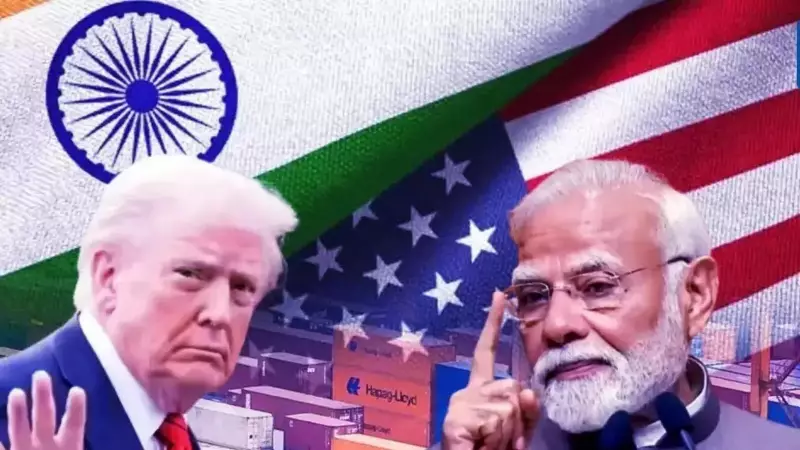
India's crucial energy imports and export economy face a significant new threat from a proposed United States law that aims to impose extreme penalties on nations purchasing Russian crude oil. The potential legislation, which has reportedly received backing from the US President, could levy tariffs as high as 500%, creating a major diplomatic and economic challenge for New Delhi.
The Proposed US Law and Its Key Proponents
On January 7, 2026, prominent US Republican senator Lindsey Graham made a critical announcement. He stated that US President Donald Trump has given his approval, or "greenlit," a piece of legislation known as the 'Russia Sanctions Bill.' This bill had been in a state of uncertainty, or limbo, for several months prior. The core mechanism of this proposed law is the imposition of a staggering 500% tariff on countries that continue to buy Russian crude oil.
Implications for India's Strategic and Economic Interests
This development places India in a precarious position. For years, India has strategically increased its purchases of discounted Russian oil following geopolitical conflicts in Eastern Europe. These imports have been vital for controlling the country's energy import bill and managing domestic inflation. Russia has consequently become one of India's top suppliers of crude, making the proposed US sanctions a direct threat to this established trade relationship.

The repercussions extend beyond just oil imports. The 500% tariff could effectively shut India out of a key export market—the United States itself. If enacted, the US could apply these punitive tariffs on Indian goods in retaliation for its continued energy trade with Russia. This poses a severe risk to India's export-oriented sectors, which rely heavily on access to the American consumer market.
A Recurring Challenge in India-US Relations
This is not the first time India has faced pressure from Washington regarding its ties with Moscow. The statement from Senator Graham indicates that India is "once again facing the heat" from such US legislative efforts. The situation underscores the ongoing tightrope walk Indian diplomacy must perform, balancing its longstanding defense and energy ties with Russia against its growing strategic and economic partnership with the United States and Western nations.
The coming weeks will be crucial as the details of the Russia Sanctions Bill become clearer and its path through the US legislative process is determined. The Indian government will likely engage in intense diplomatic discussions to mitigate the impact, seeking exemptions or alternative solutions to protect its energy security and export economy from the potential fallout of this aggressive US policy move.