US and Bangladesh Forge Historic Reciprocal Trade Pact
The United States and Bangladesh have officially signed a groundbreaking Agreement on Reciprocal Trade, marking a significant milestone in their bilateral economic partnership. This strategic accord aims to deepen economic ties and create new opportunities for exporters from both nations.
Key Tariff Reductions and Market Access Provisions
Under the newly established framework, Bangladesh's exports to the American market will now face a 19% tariff, representing a slight reduction from the previous rate of 20%. This adjustment is part of a broader trend of decreasing reciprocal tariffs, which have been lowered from an initial figure of 37% and the 20% rate that had been in effect since August of last year.
One of the most significant components of the agreement is Washington's commitment to establish a zero reciprocal tariff pathway for specific textile and apparel shipments from Bangladesh that utilize US cotton and man-made fibers. This provision is expected to provide substantial benefits to Bangladesh's crucial garments sector.

High-Level Signing Ceremony and Official Statements
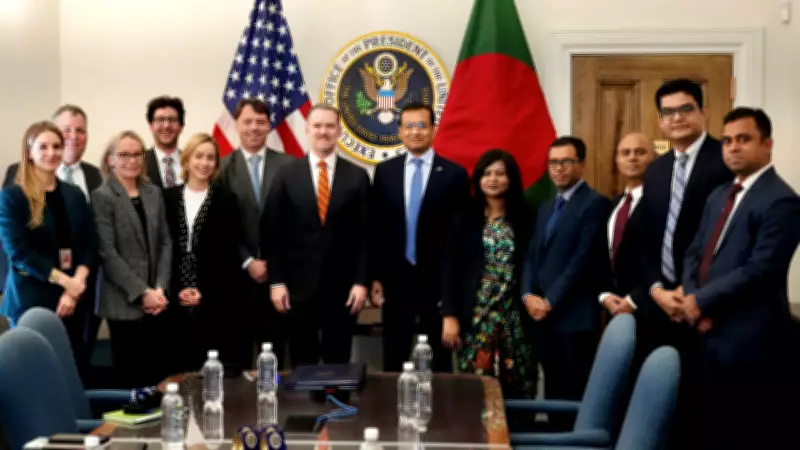
The signing ceremony brought together key officials from both nations, including US Trade Representative Jamieson Greer and Bangladesh's adviser overseeing commerce, textiles and jute, and civil aviation and tourism, Sheikh Bashir Uddin. Also present were Bangladesh Commerce Secretary Mahbubur Rahman and Assistant US Trade Representative Brendan Lynch.
Speaking at the event, US Trade Representative Jamieson Greer emphasized the strategic importance of the agreement, stating, "Under President Trump's leadership, the United States is pursuing a trade policy that delivers real results for American workers and businesses, strengthening our economic and security partnerships abroad."
Greer further highlighted the regional significance of the pact, noting, "Today's signing of the Agreement on Reciprocal Trade with Bangladesh is the first in South Asia and marks a meaningful step forward in opening markets, addressing trade barriers, and creating new opportunities for American exporters."
Bangladeshi Perspectives and Economic Implications
Bangladesh's chief adviser Muhammad Yunus described the agreement as representing a "historically new level" in relations between the two countries. This sentiment was echoed by Bangladesh's chief negotiator NSA Rahman, who explained the practical benefits for Bangladeshi exporters.
"The reduction of reciprocal tariff will grant further advantage to our exporters, while zero reciprocal tariff on specific textile and apparel exports from Bangladesh using US inputs will give substantial added impetus to our garments sector," stated Rahman.
Implementation Timeline and Approval Process
The agreement has already received approval from Bangladesh's council of advisers and is set to come into force once both governments issue formal notifications. This procedural step represents the final phase before the trade provisions become operational.
This landmark agreement represents a strategic shift in US-Bangladesh economic relations, with potential implications for:
- Enhanced market access for Bangladeshi textile and apparel manufacturers
- Increased opportunities for American exporters in the South Asian market
- Strengthened bilateral economic cooperation between the two nations
- Potential template for future trade agreements in the region
The reciprocal trade pact demonstrates both countries' commitment to fostering economic growth through reduced trade barriers and enhanced commercial cooperation. As the first such agreement between the United States and a South Asian nation, it establishes an important precedent for future economic partnerships in the region.