

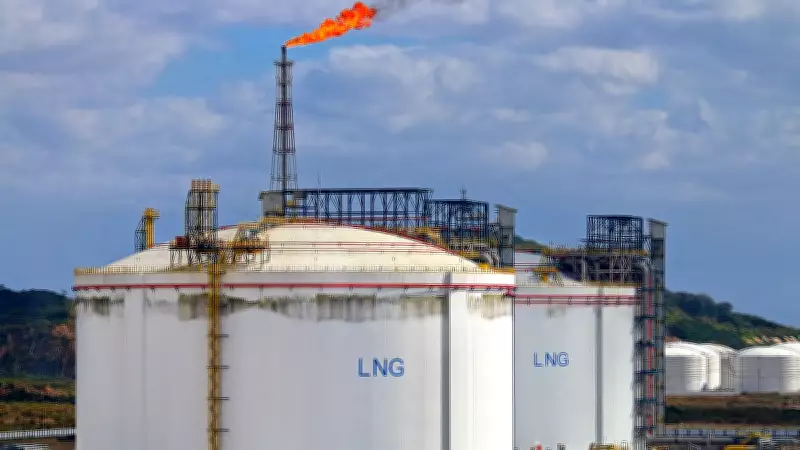
South Asia's $107 Billion LNG Expansion Faces Risks Amid West Asia Conflict
The Asia Gas Tracker (AGT) of Global Energy Monitor (GEM) has highlighted that India is currently undertaking the world's third-largest buildout of gas pipelines, with nearly three-quarters of these projects in the construction phase. This development is part of a broader $107 billion liquefied natural gas (LNG) expansion across South Asia, aimed at boosting energy infrastructure and reducing reliance on traditional fuels.
India's Leading Role in Gas Pipeline Development
According to the AGT report, India's aggressive push in gas pipeline construction positions it as a key player in the regional energy landscape. With a significant portion of these pipelines under active development, the country is set to enhance its domestic gas distribution network, which could support economic growth and improve energy access for millions.
However, this ambitious expansion faces substantial risks due to the ongoing conflict in West Asia. The instability in that region threatens to disrupt supply chains and increase geopolitical tensions, potentially impacting the timely completion and operational efficiency of South Asia's LNG projects.

Geopolitical Challenges and Energy Security Concerns
The conflict in West Asia introduces uncertainties that could lead to volatile energy prices and supply interruptions. South Asian nations, including India, are heavily dependent on imports for their energy needs, making them vulnerable to such external shocks. The $107 billion investment in LNG infrastructure is crucial for diversifying energy sources, but it must navigate these geopolitical hurdles to ensure long-term sustainability.
Experts warn that without careful risk management, the benefits of this expansion could be undermined, affecting not only economic prospects but also regional energy security. Collaborative efforts and strategic planning will be essential to mitigate these challenges and secure a stable energy future for South Asia.






