Second Indian LPG Tanker Nanda Devi Docks at Kandla Amid West Asia Tensions
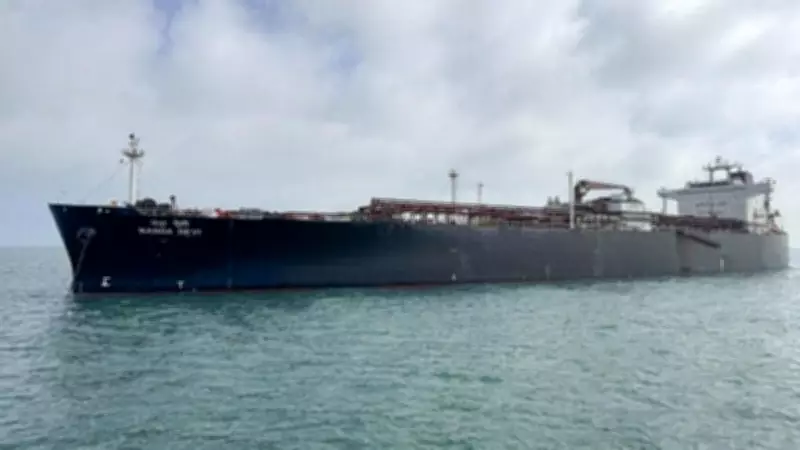
In a significant development for India's energy security, the second Indian-flagged LPG tanker, Nanda Devi, has successfully reached Kandla Port in Gujarat. This arrival comes amidst escalating geopolitical tensions in the West Asia region, which have raised concerns over global energy supply chains.
Critical Cargo Ensures National Supply Stability
The Nanda Devi is carrying a substantial load of 46,500 metric tonnes of liquefied petroleum gas (LPG). This shipment is part of a coordinated effort to bolster India's domestic LPG reserves. When combined with the cargo of another vessel that arrived earlier, the total delivery amounts to approximately 92,712 tonnes of LPG.
This combined volume is strategically crucial, as it is equivalent to a full day's requirement of cooking gas for the entire country. The timely arrival of these tankers helps mitigate potential shortages and ensures that households across India have uninterrupted access to this essential fuel.

Navigating Geopolitical Challenges
The successful docking of the Nanda Devi highlights India's proactive measures to secure its energy imports despite the ongoing crisis in West Asia. Key shipping routes, including the Strait of Hormuz, have been under scrutiny due to regional conflicts that could disrupt maritime traffic.
By utilizing Indian-flagged vessels and coordinating logistics efficiently, authorities have managed to navigate these challenges, demonstrating resilience in maintaining critical supply lines. This operation underscores the importance of strategic planning in safeguarding national interests during international upheavals.
Impact on Gujarat and Broader Implications
Kandla Port, located in Gujarat, plays a pivotal role in India's import infrastructure, particularly for energy products. The arrival of the Nanda Devi not only supports local port operations but also contributes to the state's economy by facilitating trade and logistics activities.
On a broader scale, this development reassures markets and consumers about India's ability to manage its energy needs independently. It reflects a robust approach to crisis management, ensuring that essential commodities like LPG remain available despite external pressures.
As the situation in West Asia continues to evolve, such initiatives will be vital in maintaining stability and preventing supply chain disruptions that could affect daily life and economic activities nationwide.