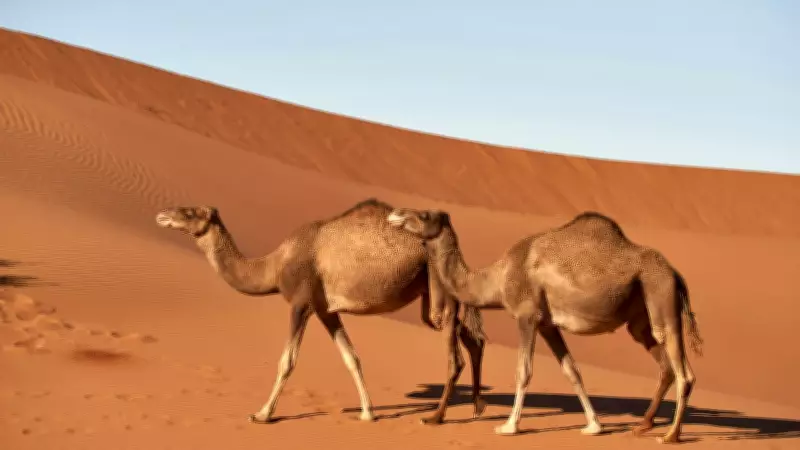
Saudi Arabia Introduces Passport Identification for Camels to Boost Sector
In a groundbreaking move to modernize its livestock industry, Saudi Arabia has officially launched the Camel Passport initiative, a project that provides camels with official identification documents similar to human passports. This innovative step is part of the broader Saudi Vision 2030 framework, aimed at enhancing the country's economic diversification and agricultural sustainability.
What is the Camel Passport Project?
The Camel Passport project is designed to regulate, improve, and enhance the camel market both domestically and internationally. Launched by Eng. Mansour Almushaiti, the Vice Minister of Environment, Water, and Agriculture, this initiative focuses on supporting the long-term sustainability of the camel sector. By introducing standardized documentation, the project seeks to streamline operations and boost productivity in this vital industry.
Key Features of the Camel Passport
According to a statement from the Ministry of Environment, Water, and Agriculture (MEWA), the camel passport will include several essential features to ensure comprehensive tracking and management:

- Detailed Vaccination Record and Health Profile: This will help monitor diseases and maintain the overall health of the camel population.
- Identification Data: Each passport will contain a microchip number, passport number, the camel's name, date of birth, breed, sex, color, place of birth, and issuance details.
- Photographic Documentation: Photos of the camel from both sides will be included to ensure accurate identification and prevent fraud.
- Official Design: The passport features a green cover with a camel likeness and the Kingdom's Coat of Arms, symbolizing its official status.
Objectives and Benefits of the Initiative
The Camel Passport programme aims to achieve multiple objectives that will transform the camel industry in Saudi Arabia:
- Regulation of the Camel Market: By providing legal documentation, the initiative will authorize camel sales, logistics, and ownership transfers, ensuring transparency and protecting owners' rights.
- Improved Livestock Management: Camels will be registered based on sex, age, breed, and color, allowing for better tracking of breed performance and supporting regional breeding initiatives.
- Enhanced International Trade: With accredited health and regulatory data, the passports will facilitate smoother cross-border transactions and boost Saudi Arabia's position in the global camel market.
- Data Collection for Research: The information gathered will serve as a reference base for studying camel productivity and implementing targeted improvements in the sector.
This initiative underscores Saudi Arabia's commitment to leveraging technology and innovation in agriculture, aligning with Vision 2030's goals of economic growth and sectoral development. As the project rolls out, it is expected to set a new standard for livestock management worldwide, showcasing how traditional industries can adapt to modern demands.