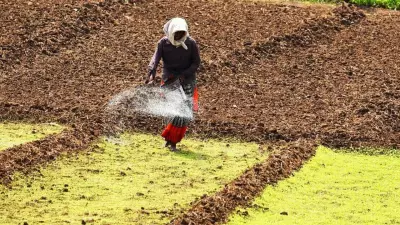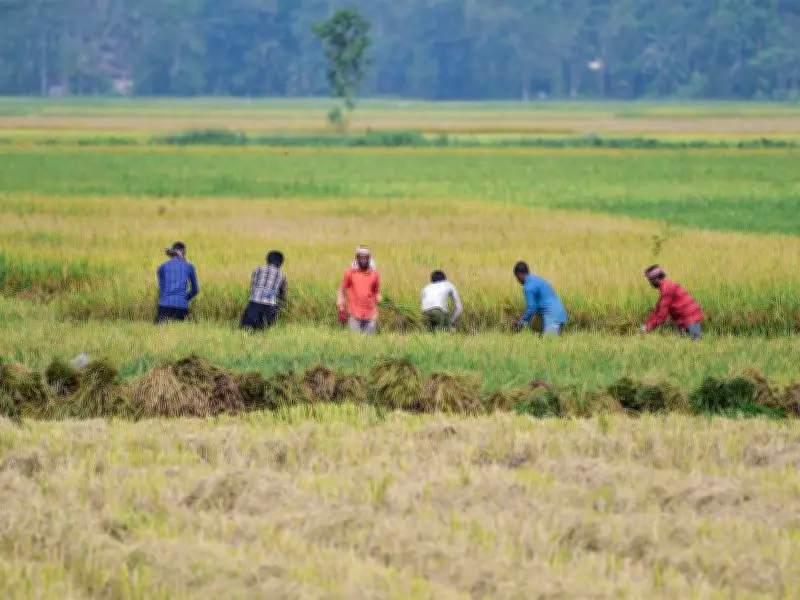
The Reserve Bank of India (RBI) has highlighted that the agriculture outlook for the financial year 2026-27 (FY27) will hinge on the progress and distribution of the monsoon season, with the El Nino weather phenomenon posing a significant risk to crop yields and overall farm output.
Key Factors Affecting Agriculture
In its latest report, the RBI emphasized that a normal monsoon is crucial for the agricultural sector, which contributes nearly 15% to India's gross domestic product (GDP). The southwest monsoon, which accounts for about 75% of the country's annual rainfall, directly impacts kharif crops such as rice, sugarcane, cotton, and oilseeds.
El Nino Threat
The RBI noted that El Nino conditions, characterized by warming of sea surface temperatures in the Pacific Ocean, often lead to below-normal rainfall in India. This could adversely affect crop production, rural incomes, and food inflation. The central bank stressed the need for close monitoring of monsoon patterns and timely policy interventions to mitigate risks.

Other Challenges
Apart from monsoon variability, the agriculture sector faces challenges such as fragmented landholdings, inadequate irrigation facilities, and climate change impacts. The RBI called for increased investment in water conservation, drought-resistant crop varieties, and better forecasting systems to enhance resilience.
Government Measures
The government has implemented several schemes to support farmers, including the Pradhan Mantri Fasal Bima Yojana (crop insurance) and the Soil Health Card Scheme. However, the effectiveness of these programs depends on proper implementation and awareness among farmers.
The RBI's assessment underscores the importance of a stable agricultural sector for India's economic growth and food security. Policymakers are advised to prioritize measures that buffer the sector against climatic shocks and ensure sustainable productivity gains.