In a significant move to alleviate passenger distress, the Indian Railways has swiftly augmented its services in response to widespread flight disruptions. The catalyst for this action is the ongoing cancellation of multiple IndiGo flights, which has left thousands of travelers stranded across the country.
Railways' Immediate Relief Measures
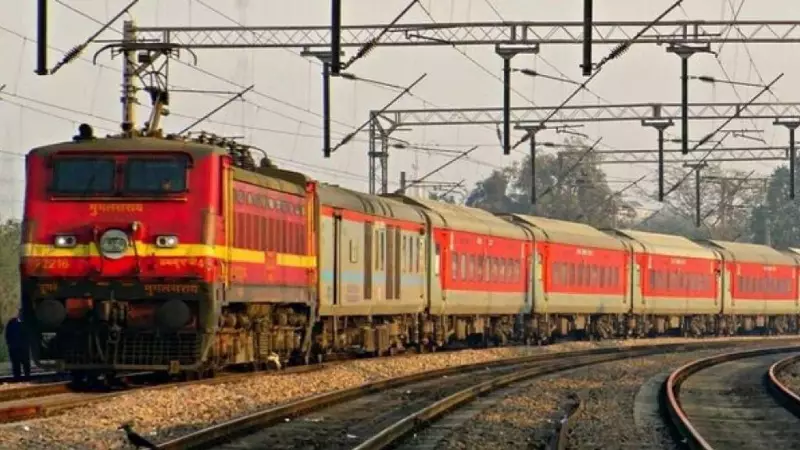
Officials announced on Friday that a total of 116 additional coaches have been integrated into 37 existing trains. This strategic enhancement is designed to facilitate a substantial number of trips. These 37 trains will operate for a total of 114 trips between December 5 and December 13. The frequency of these augmented services will be dynamically adjusted based on real-time passenger demand, with operations extending for a maximum of seven days on specific routes.
A senior Railway Ministry official highlighted the capacity of this initiative, stating, "With a capacity of 4,000 passengers per trip, this arrangement would be a relief for many passengers." Overall, the railways have made arrangements to handle approximately 35,000 passengers per day through these boosted services. In a further escalation of relief efforts, the Railways has also planned 30 special trains originating from Delhi and other major metropolitan cities.

Zone-Wise Deployment of Coaches
The additional coaching resources have been distributed across multiple railway zones to address pockets of high demand nationwide. The affected zones include Northern Railway, Western Railway, Northeast Frontier Railway, East Central Railway, East Coast Railway, Eastern Railway, and Southern Railway.
The Northern Railway zone took the lead by adding AC 3-tier (3A) and Chair Car (CC) coaches to high-demand trains like the New Delhi-Jammu Tawi and New Delhi-Dibrugarh routes. These long-distance corridors often experience a spillover effect when air travel is disrupted.
Following suit, the Southern Railway deployed several Sleeper (SL) coaches on key routes such as Chennai-Trivandrum, Chennai-Kollam, Chennai-Mumbai, and Trivandrum-Kozhikode. The Eastern and Northeast Frontier Railways adopted a mixed approach, adding a combination of SL, AC 2-tier (2A), and AC 3-tier coaches on crucial intercity links.
Targeting Critical Business and Commuter Routes
The Western Railway focused on vital business corridors, adding AC 2-tier coaches to trains running from Mumbai and Sabarmati to New Delhi. The Northeast Frontier Railway bolstered connectivity to the northeast by adding 3A and SL coaches on the Guwahati-Sairang (Aizawl) and return routes.
Meanwhile, the Eastern Railway addressed commuter-heavy sectors by supplementing services with Sleeper and Chair Car coaches on routes like Howrah-Raxaul, Sealdah-Jaynagar, and Sealdah-Ballia. This comprehensive, zone-specific strategy ensures that relief is not centralized but spread across the network, catering to both long-distance travelers and regional commuters affected by the aviation crisis.
The proactive steps by Indian Railways underscore its role as the backbone of the nation's transportation, especially during emergencies. By flexibly increasing capacity on diverse routes, the organization aims to provide a reliable alternative for passengers grappling with sudden air travel cancellations.