In a significant move providing financial respite, the National Agricultural Cooperative Marketing Federation of India (Nafed) has successfully initiated support price procurement for soybean growers in Pune's Junnar taluka. The operation, launched at the Narayangaon sub-market yard, has seen an enthusiastic response from cultivators grappling with severe weather-induced losses this season.
Weather Woes and the Need for Intervention
The soybean crop in Junnar taluka faced extensive damage due to excessive and untimely rainfall. A prolonged monsoon season led to significant moisture retention in the fields, which severely impacted both the quality and the overall yield of the crop. The challenges extended into the post-harvest phase, where delayed drying processes resulted in produce with higher moisture content, consequently diminishing its market value.
Faced with these adversities, farmers found themselves vulnerable to the fluctuating offers from private traders. During the Diwali trading period, these rates oscillated between a mere Rs 3,500 and Rs 4,000 per quintal, far below the government's declared safety net. This situation prompted local representatives and cultivators to urgently demand Nafed's intervention to prevent widespread distress sales.

MSP Procurement: A Timely Lifeline
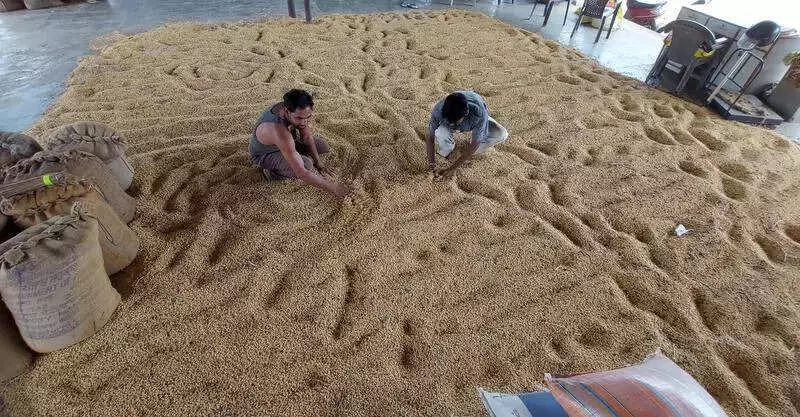
Answering the call, Nafed opened its Minimum Support Price (MSP) procurement centre in Narayangaon on November 28. The initiative offered a guaranteed price of Rs 5,328 per quintal. The response was immediate and substantial, with farmers delivering their produce in large numbers. To date, the federation has purchased nearly 70 tonnes of soybean under this scheme.
This MSP operation has translated into a procurement turnover exceeding Rs 37 lakh in the region, as confirmed by officials from the Junnar Agricultural Produce Market Committee (APMC). Ensuring transparency and efficiency, payments are directly transferred to the farmers' bank accounts within three working days of the sale.
Streamlined Process and Future Plans
Sanjay Kale Kamble, Chairman of the Junnar APMC, stated that the procurement process is running smoothly, providing farmers with the remunerative rates they deserve. To facilitate wider participation, farmers are being encouraged to register through both online and offline modes. The APMC is also leveraging mobile technology to send updates, keeping growers informed about the daily procurement schedule.
Market committee officials confirmed that the soybean procurement operations will continue, offering sustained support. Nafed's intervention has been hailed for bringing much-needed stability to the agricultural community during an exceptionally challenging season.
Farmer Feedback and Calls for Earlier Action
While grateful for the support, many farmers expressed that the help, though crucial, arrived later than needed. A common sentiment among growers is that the procurement centre should have been activated two to three months earlier. Soybean cultivator Akshay Devkar highlighted a painful reality, noting, "Several small-time farmers in financial trouble sold their harvest at lower rates. Some of them felt that the centre would never start and sold their produce to private traders."
Another section of growers pointed out the tangible losses incurred due to the delay. "Many farmers said the weight of their stored harvest reduced in the past few months and it was a loss for the farmers. We didn't understand why the authorities started the centre late," they remarked. This feedback underscores the critical importance of timely market intervention to maximize the benefit of MSP schemes for the agricultural community.