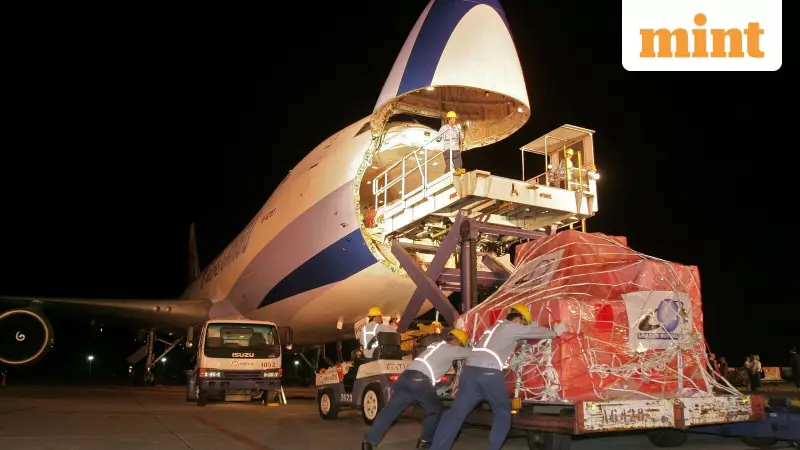
A planned 10-month halt to dedicated cargo freighter operations at Mumbai's Chhatrapati Shivaji Maharaj International Airport (CSMIA) is set to create major disruptions for exporters, potentially forcing them to redirect shipments through airports in Delhi and Bengaluru. The Air Cargo Agents Association of India (ACAAI) has raised an alarm, stating that the newly operational Navi Mumbai airport is not yet equipped to handle the international cargo volumes currently managed by Mumbai.
Operational Shutdown and Exporters' Dilemma
The suspension stems from critical infrastructure upgrades needed at Mumbai airport. In a letter dated 11 December 2025, Mumbai International Airport Ltd (MIAL) informed stakeholders that major repairs to runways, taxiways, and aprons are essential for future operations. Specifically, Apron G, which is used exclusively for freighter aircraft, will undergo a complete rebuild from August 2026 to May 2027, necessitating a temporary closure. The airport cited ongoing passenger operations and severe land constraints as reasons for being unable to provide alternative cargo space during this period.
Vikram Kumar, Vice President of ACAAI, warned that this move comes at a difficult time for exporters already grappling with challenges like US tariffs. "Exporters who are already under pressure will face a sharp and significant increase in operating expenses," he said. The association wrote to MIAL on 19 December requesting a reconsideration, cautioning that a full closure could adversely affect the continual growth of Indian exports and substantially increase freight rates. As per ACAAI, MIAL has not yet responded to this letter.

Why Navi Mumbai Isn't the Answer (Yet)
The Navi Mumbai International Airport, which began domestic operations on 25 December 2025, is currently not a feasible substitute for international cargo logistics. Arun Bansal, CEO of Adani Airport Holdings Ltd, stated in October that international airlines would commence operations only after the airport secures permits for night flights. Presently, it operates only between 8 am and 8 pm.
Kumar explained the core economic problem: international passenger flights, which provide crucial "belly space" for cargo, have not started at Navi Mumbai. This underbelly capacity is vital for making freighter operations viable. For instance, if a freighter can only accommodate 15 tonnes of a 20-tonne consignment, the remaining 5 tonnes are typically transported on passenger aircraft—an option unavailable at the new airport. Consequently, shipping from Navi Mumbai would be more expensive due to limited freighter movements and the absence of international passenger flights, creating supply constraints.
Delhi and Bengaluru Emerge as Cost-Effective Alternatives
Faced with a sharp reduction in cargo capacity and rising air freight rates from Mumbai, exporters are likely to seek alternatives. Delhi's Indira Gandhi International Airport, which operates under an open sky policy allowing a higher number of cargo flights, is expected to maintain more stable freight rates. Exporters could find it cheaper to move goods domestically from Mumbai to Delhi and then ship them overseas from there.
Similarly, Kempegowda International Airport in Bengaluru is poised to absorb diverted cargo. This rerouting, however, will add to logistics costs and time for Maharashtra-based exporters. The capacity crunch is significant, as Mumbai airport handles a cargo capacity of about 1.45 million tonnes, with a utilization rate of 62% as of its September compliance report. Key international cargo partners operating from Mumbai include Turkish Airlines, Qatar Airways, and Singapore Airlines.
Kumar emphasized that a 10-month shutdown would cause severe disruption to the air cargo industry, from which recovery could be difficult. The financial context is also notable; MIAL reported a revenue of ₹4,571 crore and a net loss of ₹35 crore in FY25, according to a Crisil Ratings report from August. Adani Airport Holdings, which operates both Mumbai and Navi Mumbai airports, did not respond to requests for comment on the proposed freighter suspension.