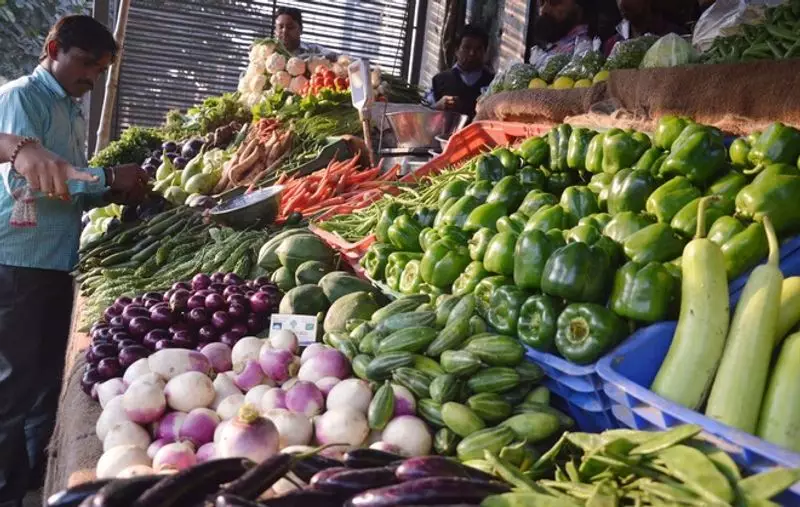
Farmers in Punjab's bustling industrial hub, Ludhiana, are raising their voices against a severe and distressing economic squeeze. At the heart of the issue is the drastic fall in prices for key vegetables, a situation that has left cultivators in the Sahnewal agricultural market (mandi) struggling to cover even their basic production costs. The discontent is palpable, with growers pointing fingers at what they see as a systemic failure to ensure fair and remunerative pricing for their hard labor.
The Core of the Crisis: Plummeting Prices Below Cost
The most glaring example of this price crash is the humble cauliflower. Farmers report that they are forced to sell their cauliflower produce for a meager Rs 2 to Rs 4 per kilogram. This is a devastating figure when compared to the actual cost of cultivation, which they estimate at a minimum of Rs 10 to Rs 12 per kg. The situation is equally dire for cabbage, another winter staple, which is fetching only Rs 3 to Rs 4 per kg in the market.
This wide chasm between cost and price means farmers are incurring significant losses with every harvest. The sentiment on the ground is one of frustration and betrayal, as months of effort, investment in seeds, fertilizers, pesticides, and labor are yielding nothing but debt. The issue came to a head recently, prompting farmers to stage a protest right at the Sahnewal mandi to draw urgent attention to their plight.

A Plea for Government Intervention and MSP
During their protest, the farmers presented a clear and urgent demand to the authorities. Their primary request is for the government to step in and procure vegetables like cauliflower and cabbage at the Minimum Support Price (MSP). The MSP mechanism, which provides a safety net for crops like wheat and paddy, is conspicuously absent for most vegetables, leaving farmers at the mercy of volatile market forces.
Jaswinder Singh Sangha, a vocal representative of the protesting farmers, articulated the collective anguish. He emphasized that the current prices are not just low but are "non-remunerative" and fail to reflect the true value of their produce. The farmers argue that without a guaranteed floor price, their profession has become unsustainable, pushing many towards financial ruin.
Broader Implications and the Road Ahead
The protest in Ludhiana is not an isolated incident but a symptom of a larger, recurring problem in Indian agriculture. It highlights the precarious existence of farmers who grow perishable commodities without a robust price assurance system. The fear of produce rotting in the mandis if prices don't improve is a real and pressing concern.
This crisis underscores the urgent need for policy discussions on extending price support mechanisms to a wider basket of crops, including vegetables. The Ludhiana farmers' protest serves as a stark reminder that ensuring food security must go hand-in-hand with ensuring the economic security of those who produce the food. The ball is now in the court of the administration to address these legitimate grievances and work towards a viable solution that protects the interests of the farming community.