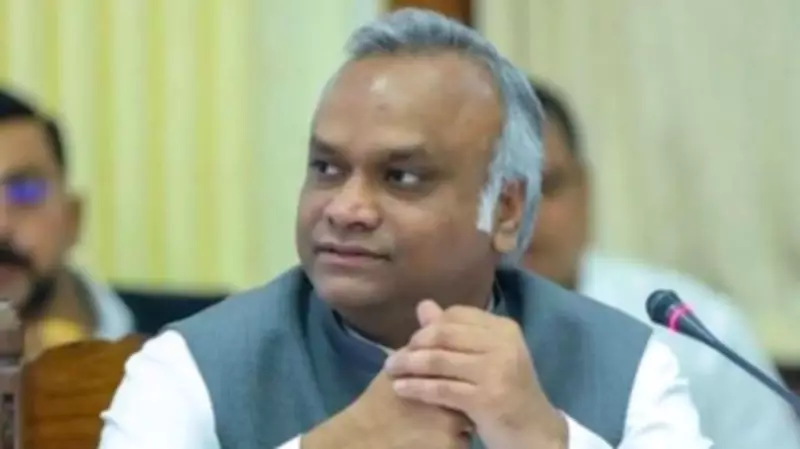
Karnataka Minister Priyank Kharge Slams India-US Trade Deal as 'GST Bachao Utsav'
In a scathing critique of the recently proposed India-US trade agreement, Karnataka Minister Priyank Kharge has sparked controversy by dubbing the deal a 'GST Bachao Utsav'. This pointed remark underscores growing apprehensions among Indian policymakers regarding the potential ramifications of such bilateral accords on domestic economic frameworks.
Kharge's Concerns Over Trade Deal Implications
Priyank Kharge, a prominent figure in Karnataka's political landscape, expressed deep reservations about the trade deal's alignment with India's strategic interests. He argued that the agreement might inadvertently undermine the Goods and Services Tax (GST) system, which has been a cornerstone of India's tax reform efforts since its implementation. According to Kharge, the deal could lead to significant revenue losses for the government, thereby necessitating a 'rescue mission' for GST—a sentiment encapsulated in his 'GST Bachao Utsav' label.
Kharge emphasized that while international trade partnerships are essential for economic growth, they must not compromise India's fiscal autonomy or the integrity of its tax structures. His comments reflect a broader debate within India about balancing global trade opportunities with the protection of local industries and public finances.

Impact on Karnataka and Broader Economic Landscape
The minister highlighted specific concerns for Karnataka, a state known for its robust IT, manufacturing, and agricultural sectors. He warned that the trade deal could expose these industries to unfair competition from US counterparts, potentially stifling innovation and job creation within the state. Kharge called for a more transparent and inclusive negotiation process, urging the central government to consult with state stakeholders to ensure that regional economies are not adversely affected.
Furthermore, Kharge's critique extends beyond Karnataka, touching on national issues such as:
- Tax Revenue Erosion: Potential reductions in GST collections due to trade concessions.
- Industrial Competitiveness: Risks to small and medium enterprises from imported goods.
- Policy Sovereignty: Ensuring that trade agreements do not infringe upon India's ability to set its own economic policies.
Broader Political and Economic Context
This development occurs amid ongoing discussions between India and the United States to strengthen bilateral trade ties, which have faced hurdles over issues like tariffs and market access. Kharge's remarks add a new dimension to these talks, highlighting internal dissent and the need for careful consideration of domestic impacts. As a member of the opposition, his stance may influence public opinion and political discourse, potentially shaping the future trajectory of India's trade diplomacy.
In summary, Priyank Kharge's characterization of the India-US trade deal as a 'GST Bachao Utsav' serves as a stark reminder of the complex interplay between international agreements and national economic stability. His advocacy for a more cautious approach underscores the importance of safeguarding India's fiscal and industrial interests in an increasingly globalized world.