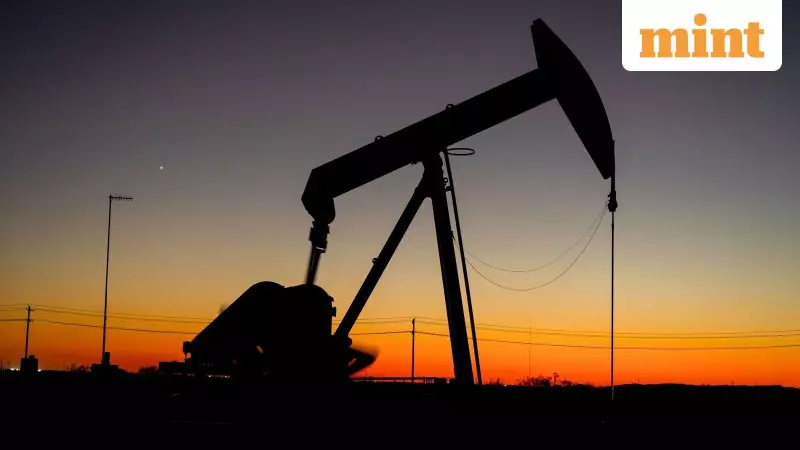
In a significant move reflecting ongoing market pressures, Iraq has officially reduced the official selling price of its Basrah Medium crude oil for customers across Asia. This decision comes just days after Saudi Arabia, the world's top oil exporter, announced similar cuts for its flagship grade, highlighting a competitive stance in the region amid signs of a persistent supply glut.
Details of the Price Adjustments
According to reports citing Iraq's State Oil Marketing Organization (SOMO), the price for Basrah Medium crude destined for Asia in February 2026 has been set at a discount of $1.30 per barrel against the regional benchmark. This marks a reduction from the discount of $1.05 per barrel that was in place for January. However, Iraq has chosen to maintain the pricing for its heavier Basrah Heavy grade unchanged for the upcoming month, keeping its discount at $3.60 per barrel.
This action follows a parallel move by Saudi Arabia, which was reported on January 6, 2026. The kingdom's state producer, Saudi Aramco, lowered the price of its key Arab Light crude for Asian buyers for the third month in a row. The February price was set at a premium of just 30 cents over the benchmark, a notable adjustment reflecting market conditions. Aramco also implemented price cuts across all its crude grades for other regions, including the United States and Europe.

Market Context and OPEC's Stance
The price revisions occur against a backdrop where the Organisation of the Petroleum Exporting Countries (OPEC) and its allies have decided to pause planned supply increases for the first quarter of the year. This decision aims to provide stability to the market. However, recent discussions among delegates, held via a brief video call, reportedly did not address the situation in Venezuela. They noted it was premature to gauge the impact on supplies from the reported capture of the country's leader, Nicolas Maduro, by US forces.
The broader market has been under pressure. In the previous year, global crude benchmarks fell by roughly 20%, with Brent crude recording its steepest annual decline since 2020. This slump is primarily driven by worries over a global surplus, exacerbated by earlier OPEC+ supply increases and robust output from non-OPEC producers. The International Energy Agency (IEA) forecasts a significant surplus of around 3.8 million barrels per day this year.
Geopolitical Risks and Future Outlook
Beyond immediate supply-demand dynamics, several geopolitical flashpoints continue to cloud the production outlook for OPEC members. These include the protracted conflict between Ukraine and Russia, ongoing US sanctions on nations like Russia and Iran, and a subdued economic outlook from China. As a key crude importer and a major customer for many OPEC nations, China's economic health significantly influences market sentiment.
Furthermore, the forward market structure for Middle Eastern crudes, such as the Dubai benchmark and Abu Dhabi's Murban futures, has shown a weakening trend in recent weeks, losing its earlier upward momentum. This indicates trader expectations of softer prices ahead. The consecutive price cuts by two of the world's largest oil exporters signal a strategic effort to maintain market share in Asia, the world's biggest oil-consuming region, while navigating a complex landscape of oversupply and persistent geopolitical uncertainties.