India's Generic Pharmaceutical Juggernaut Stands Firm Against US Tariffs
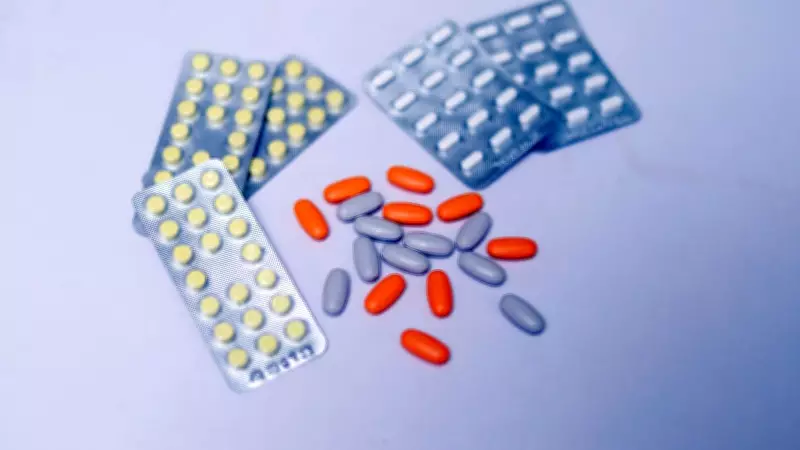
Despite multiple rounds of tariffs imposed by the United States, India's generic drug industry has demonstrated remarkable resilience, emerging largely unscathed. This robust performance is expected to persist even with the interim India-US trade deal, according to industry analysts. However, experts are advocating for reciprocal regulatory easing, highlighting the significant challenges Indian companies face in securing approvals within the US market.
US Tariffs Fail to Dent India's Generic Drug Exports
The United States has historically imposed minimal duties on generic pharmaceuticals imported from India, a policy that remained unchanged despite reciprocal tariffs introduced during the Trump administration. An industry expert, speaking anonymously, noted that Section 232 investigations, which assess the impact of imports on national security, are unlikely to affect these duties. "The US lacks substantial domestic generic pharmaceutical manufacturing, making tariffs on Indian imports improbable," the expert explained. "Moreover, eliminating duties on US pharmaceuticals could benefit consumers by reducing costs for patented medicines, without disrupting India's generic-focused industry."
Trade Deal Provisions and Medical Device Opportunities
The joint India-US statement indicated that India would receive negotiated outcomes on generic pharmaceuticals and ingredients, contingent on the findings of the Section 232 investigation. In the medical devices sector, India has agreed to address long-standing trade barriers, with a lowered tariff of 18% poised to boost its growing industry. Himanshu Baid, Managing Director of Poly Medicure, emphasized the growth potential: "India's medical device exports to the US surged from $714.30 million in FY2024 to $782.57 million in FY2025, a 9.55% year-on-year increase. This agreement offers a significant opportunity for accelerated growth in the US market."

Non-Tariff Barriers and Calls for Reciprocal Fairness
Non-tariff barriers, such as stringent approval processes in the United States, have posed significant hurdles for Indian manufacturers. The new trade deal has sparked hope that these issues might be addressed. Rajiv Nath, forum coordinator of the Association of Indian Medical Device Industry, pointed out disparities: "CDSCO import licenses for US devices are processed faster than for Indian manufacturers, who undergo mandatory inspections not required for overseas firms. We urge reciprocal fairness to make trade mutually beneficial and empower innovations in both nations."
India's Critical Role in US Pharmaceutical Supply
India's importance to the US pharmaceutical market cannot be overstated. In FY2025, the United States accounted for 34.5% of India's total pharmaceutical exports, valued at $10.5 billion. In comparison, the United Kingdom, the next largest buyer, represented only 3% of exports, totaling $913.9 million, according to data from Pharmexcil. Notably, India supplies 47% of all generic medicines prescribed in the US, underscoring its pivotal role in ensuring affordable healthcare access.
This enduring dominance highlights India's strategic position in the global pharmaceutical landscape, with the new trade deal unlikely to alter the fundamental dynamics of its generic drug exports to the United States.