

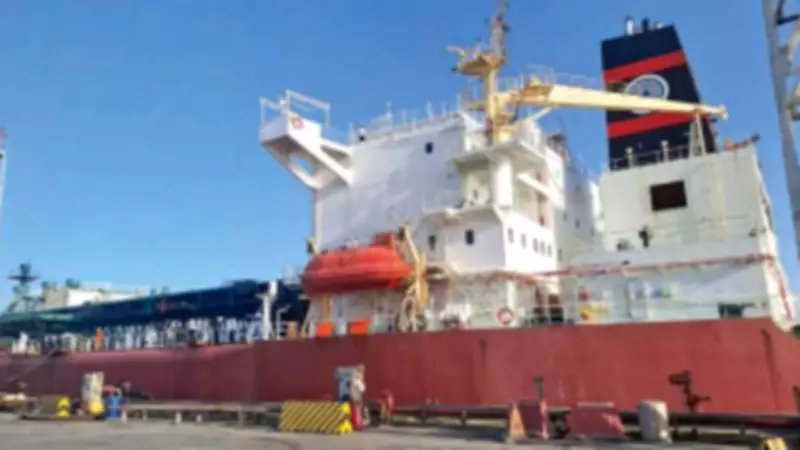
Indian LPG Tankers Complete Safe Passage Through Strait of Hormuz
In a significant development amid ongoing regional tensions, two Indian-flagged liquefied petroleum gas (LPG) carriers have successfully completed their voyages through the conflict-affected Strait of Hormuz, arriving safely at ports in Gujarat. The safe passage of these vessels carrying critical fuel supplies underscores India's continued maritime operations in the strategically vital Persian Gulf region.
Shivalik Tanker Arrives at Mundra Port After Nine-Day Voyage
The Indian-flagged tanker Shivalik, which departed from Ras Laffan Port in Qatar carrying 46,000 tonnes of LPG, arrived at Mundra Port in Gujarat on Monday following a nine-day voyage that included navigation through the tense Strait of Hormuz. This crucial waterway has been the focal point of regional conflicts and security concerns in recent weeks.
According to shipping ministry officials, the Shivalik's cargo will be distributed between two Indian ports. Approximately 20,000 tonnes of LPG ordered by Indian Oil Corporation will be unloaded at Mundra Port, while the remaining 26,000 tonnes will be transported to New Mangalore Port for distribution.

Nanda Devi Scheduled for Kandla Port Arrival
Another Indian-flagged LPG carrier, Nanda Devi, carrying approximately 46,000 tonnes of LPG, is scheduled to reach Kandla Port in Gujarat early Tuesday. Both vessels are owned by the state-run Shipping Corporation of India, highlighting the government's direct involvement in securing vital energy supplies during this period of regional instability.
Officials have detailed that the LPG from Nanda Devi will undergo a specialized transfer process at sea near Vadinar, a facility of Kandra Port located near Jamnagar. The cargo will be moved to two smaller vessels for subsequent transportation to various destinations across the country.
Additional Crude Oil Tanker En Route to Mundra
In related maritime developments, another India-flagged crude oil tanker, Jag Laadki, which began its voyage from the UAE's Fujairah port on Saturday during the attack on the oil terminal, is scheduled to reach Mundra Port on Tuesday afternoon. This vessel is carrying approximately 81,000 tonnes of Murban crude, a specific crude grade produced by the United Arab Emirates.
Government Assurance on Seafarer Safety
Rajesh Kumar Sinha, Special Secretary in the Shipping Ministry, has provided crucial reassurance regarding the safety of Indian maritime personnel operating in the region. "All Indian seafarers operating in the Persian Gulf region are safe," Sinha confirmed, addressing concerns about personnel security amid the heightened tensions.
The government official further elaborated on the operational support being provided, stating that government-owned major ports are closely monitoring vessel movements and facilitating cargo operations. These efforts include offering concessions on anchorage fees, berth hire charges, storage costs, and providing temporary transshipment storage facilities at the Jawaharlal Nehru Port Authority.
Infrastructure and Distribution Mechanisms
Mundra Port features specialized infrastructure for handling LPG shipments, including dedicated storage facilities. From these facilities, the gas is transferred through a pipeline to the Mithi Rohar location in Gandhidham, where it enters GAIL's distribution network before being supplied to the National Gas Grid for nationwide distribution.
Increased Domestic Production Initiatives
Concurrent with these maritime developments, domestic refineries have responded to government directives to increase LPG production. Both HPCL Mittal Energy in Bhatinda and the Reliance refinery in Jamnagar have placed substantial demands for rail rakes to facilitate the transportation of increased LPG output, indicating a comprehensive approach to ensuring fuel supply security through both imports and domestic production enhancements.
The successful navigation of these vessels through the strategically sensitive Strait of Hormuz represents a significant achievement for India's maritime logistics amid challenging regional circumstances, ensuring continued energy supply chains while maintaining the safety of both vessels and crew members.






