

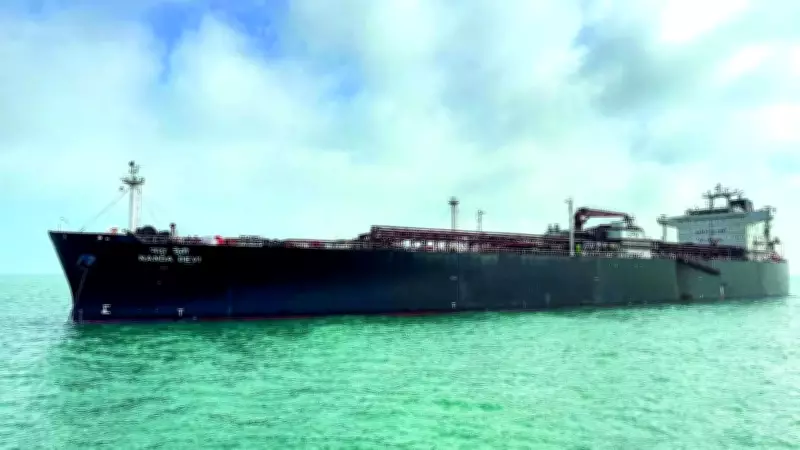
Indian LPG Ships Stranded in Strait of Hormuz Amid Regional Tensions
The shipping ministry announced on Tuesday that around 3 lakh tonnes of liquefied petroleum gas (LPG) loaded onto six Indian-flagged ships is currently stranded in the strategic Strait of Hormuz. This development occurs against a backdrop of heightened regional tensions, including conflicts involving Israel and Iran, though the ministry's statement focused solely on logistical and operational aspects.
Current Status of Indian Vessels in the Strait
At present, there are 22 Indian vessels navigating the Strait of Hormuz. In addition to the six LPG carriers, this fleet includes:
- One LNG tanker
- Four vessels carrying crude oil
- One ship loaded with chemical products
- Three container ships
- Two bulk carriers
Shipping ministry special secretary Rajesh Kumar Sinha confirmed that unloading operations from two LPG carriers, Shivalik and Nanda Devi, are currently underway. The Nanda Devi, carrying 46,500 tonnes of LPG, successfully reached the Vadinar facility of Kandla Port early Tuesday morning.

Government Response and Port Operations
The shipping ministry has implemented comprehensive measures to manage the situation. All central government-owned ports are closely monitoring vessel movements and cargo operations while providing necessary support, including additional storage space.
Specific actions include:
- VO Chidambaranar Port has allocated approximately 90,000 square meters for transshipment containers to facilitate cargo handling.
- At Jawaharlal Nehru Port, perishable containers have been significantly reduced from about 2,000 to around 1,000 through strategic redistribution.
Sinha explained that some containers have been redirected to the domestic market, while others have sailed to alternative ports such as Salalah in Oman and Khor Fakkan in the United Arab Emirates to ensure timely delivery and prevent spoilage.
Broader Context and Implications
While the ministry's statement did not directly address geopolitical factors, the Strait of Hormuz remains a critical chokepoint for global energy supplies, particularly for oil and gas shipments from the Middle East. The presence of multiple Indian vessels in this area underscores the nation's reliance on maritime routes for energy imports and trade.
The coordinated response from Indian ports highlights the government's proactive approach to mitigating potential disruptions. By leveraging additional storage and rerouting options, authorities aim to minimize economic impacts and maintain supply chain stability despite the challenging circumstances.
This situation continues to evolve, with the shipping ministry maintaining constant vigilance over vessel movements and cargo operations to ensure the safety and efficiency of Indian maritime interests in the region.






