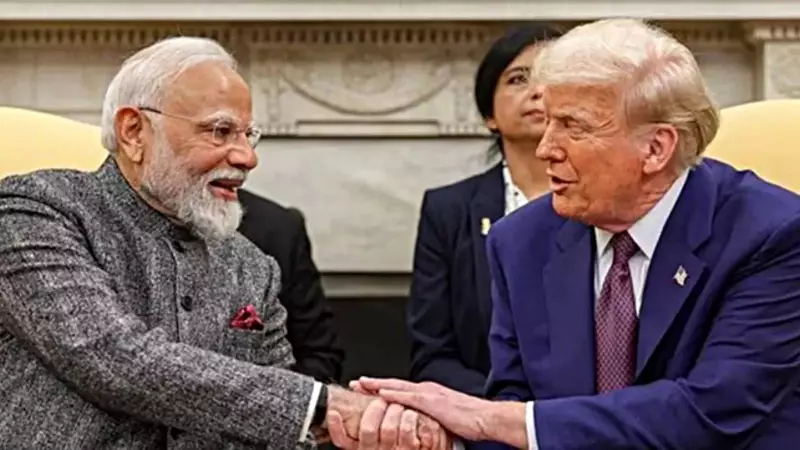
Trade negotiators from India and the United States have returned to the virtual table after their Christmas holiday break. A senior government official confirmed this development on Wednesday, stating that discussions are actively ongoing.
Virtual Engagement Without Deadline
The official emphasized that both sides remain fully engaged in the negotiation process. Chief negotiators have begun virtual meetings following the holidays. However, the official clearly stated that no deadline can be set for when the final trade deal might be signed. "We are negotiating," the official said, highlighting the continuous nature of the talks.
Timing and Economic Pressure
The timing of these resumed talks carries significant weight for Indian exporters. American importers typically place their bulk orders for summer goods during January. Indian businesses are currently missing out on these crucial opportunities due to steep US tariffs.

Impact of High Tariffs
These tariffs stand at 50 percent on certain Indian products. The absence of a trade deal poses a long-term economic risk. It could lead to even more tariffs being imposed on Indian exports in the future.
- US President Donald Trump has announced 25 percent tariffs on nations with commercial ties to Iran.
- Trump has also approved the 'Russia sanctions bill,' which seeks to impose massive 500 percent tariffs on countries importing Russian oil.
Signs of a Thaw in Relations
Despite the challenges, recent diplomatic moves suggest a potential warming in India-US trade relations. On Monday, US Ambassador Sergio Gor extended an invitation to India. He asked India to join the US-led strategic initiative known as Pax Silica.
This initiative focuses on building secure supply chains for critical minerals and artificial intelligence. The invitation comes just a month after India was initially left out of the grouping, marking a notable shift in posture.
High-Level Diplomatic Contacts
Further signaling engagement, External Affairs Minister S. Jaishankar and US Secretary of State and National Security Advisor Marco Rubio held a phone conversation on Tuesday. They discussed several key issues:
- The ongoing bilateral trade negotiations.
- Cooperation on critical minerals.
- The possibility of a high-level meeting next month.
Indian Hopes and Nuclear Cooperation
As India increases its imports of US oil and liquefied petroleum gas (LPG) and opens its nuclear energy sector to foreign collaboration, exporters are hopeful. They anticipate the rollback of additional US tariffs as part of the first phase of a potential trade agreement.
During the call with Jaishankar, Secretary Rubio congratulated India on passing the Sustainable Harnessing and Advancement of Nuclear Energy for Transforming India Bill. A US State Department spokesperson noted that Rubio expressed strong US interest in capitalizing on this development to enhance civil nuclear cooperation between the two nations.
The path to a finalized trade deal remains complex, with both sides navigating economic pressures and strategic interests. The resumed virtual talks represent a continued commitment to dialogue, even as a concrete timeline for conclusion stays elusive.