India-US Trade Standoff Ends: Modi-Trump Agreement Marks Major Diplomatic Victory
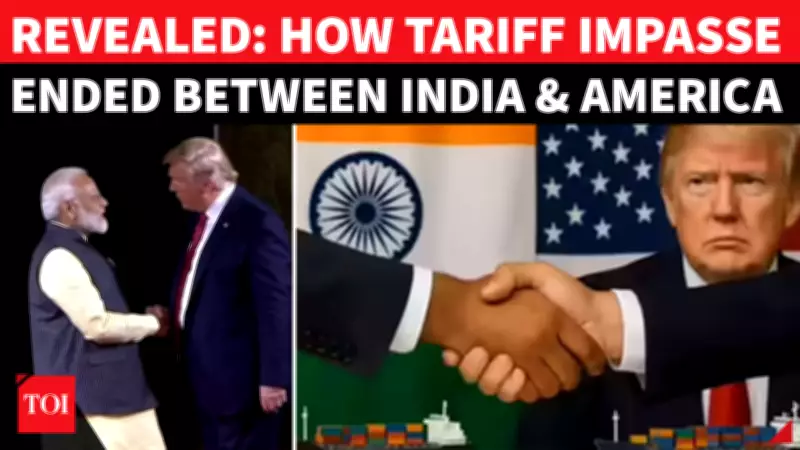
The protracted trade impasse between India and the United States has finally been resolved with the signing of a comprehensive bilateral agreement. This significant development comes after months of tense negotiations and escalating tariffs that had strained economic relations between the two democracies.
The Presidential Phone Call That Broke the Deadlock
The breakthrough was achieved following a crucial telephone conversation between Indian Prime Minister Narendra Modi and U.S. President Donald Trump. This high-level diplomatic engagement paved the way for resolving contentious issues that had previously seemed intractable. The direct leader-to-leader communication demonstrated the political will necessary to overcome bureaucratic hurdles and find common ground.
Key Provisions of the Landmark Trade Agreement
President Trump announced the finalized deal through his Truth Social platform, revealing several important components:

- Tariff Reduction: The United States has agreed to cut tariffs on Indian goods to approximately 18%, providing significant relief to Indian exporters who had been facing punitive trade barriers.
- Energy Commitments: India has committed to reducing its purchases of Russian oil while simultaneously increasing imports from the United States and Venezuela, addressing long-standing American concerns about energy partnerships.
- Market Access: Both nations have agreed to enhanced market access provisions that will benefit various sectors including agriculture, technology, and manufacturing.
The European Union Factor: Did the India-EU FTA Influence American Calculations?
Analysts are examining whether India's recent progress in negotiating what some have called the "Mother of All Deals" with the European Union created pressure on the United States to resolve its own trade differences with India. The prospect of India strengthening economic ties with Europe may have accelerated American willingness to compromise, fearing potential exclusion from the lucrative Indian market.
Strategic Implications and Global Reactions
Prime Minister Modi welcomed the agreement, emphasizing its importance for strengthening the strategic partnership between the world's largest democracies. The resolution comes at a critical juncture in global geopolitics, with both nations seeking to balance economic interests with broader strategic considerations.
The question remains: Did President Trump retreat from his initial hardline position, or did India offer substantial concessions to secure the deal? The answer likely lies somewhere in between, with both nations making calculated compromises to achieve a mutually beneficial outcome.
This agreement represents more than just a trade deal—it signifies a recalibration of the India-US relationship that acknowledges both economic realities and geopolitical necessities. As global supply chains continue to evolve, such bilateral agreements will play an increasingly important role in shaping international commerce and diplomatic alignments.