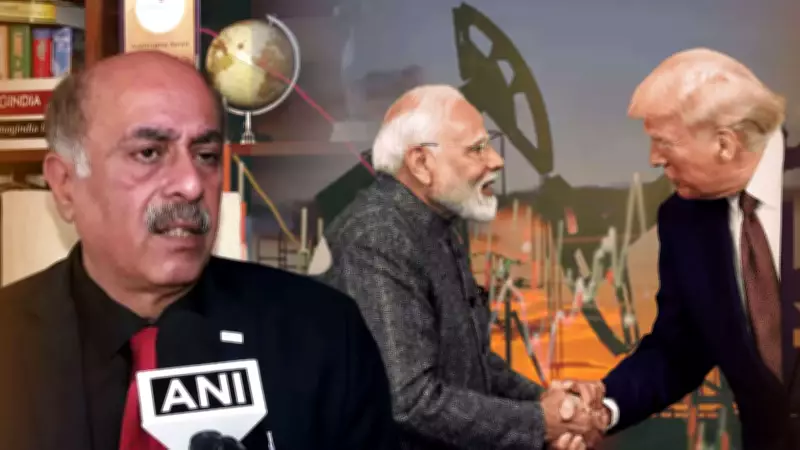
India-US Trade Agreement: Expert Decodes Russian Oil Import Reduction and Key Provisions
India and the United States have successfully negotiated a temporary trade understanding that addresses critical areas including tariffs, agriculture, and energy cooperation. This interim arrangement marks a significant step in bilateral economic relations, with expert analysis shedding light on its implications for India's strategic decisions, particularly regarding energy imports.
Key Driver Behind India's Reduced Russian Oil Imports
Foreign policy and trade expert Robinder Sachdev has provided crucial insights into India's recent reduction in Russian oil imports. According to Sachdev, this strategic shift is primarily motivated by US-imposed tariffs, with an 18% tariff rate being deemed acceptable under the new framework. This adjustment reflects India's balancing act between energy security and international trade compliance, as the nation navigates complex global dynamics.
Agricultural Safeguards and Market Access
The temporary agreement includes robust protections for India's agricultural sector, ensuring domestic interests are preserved while opening new opportunities. Specifically, the deal enables higher imports of soybean oil from the United States and reduces tariffs on fresh fruits, potentially benefiting consumers and food processors. However, dairy products remain excluded from these concessions, maintaining protection for India's dairy industry.

Clarifying the $500 Billion Trade Goal
Sachdev addressed widespread confusion surrounding the $500 billion figure mentioned in trade discussions. He clarified that this represents a long-term bilateral trade aspiration between India and the United States, not a binding commitment for India to purchase US goods over a five-year period. This distinction is important for understanding the agreement's scope and expectations.
Expanded Import Plans Under the Interim Arrangement
Beyond energy and agriculture, India plans to significantly increase imports from the United States across several strategic sectors. These include:
- Energy products to diversify supply sources
- Aircraft and aerospace components for transportation infrastructure
- Precious metals for industrial and jewelry applications
- Rare-earth minerals crucial for technology and defense manufacturing
This comprehensive import strategy supports India's economic growth while strengthening trade ties with the United States. The interim arrangement serves as a foundation for future negotiations, with both nations working toward more permanent trade agreements that address evolving economic priorities and geopolitical considerations.