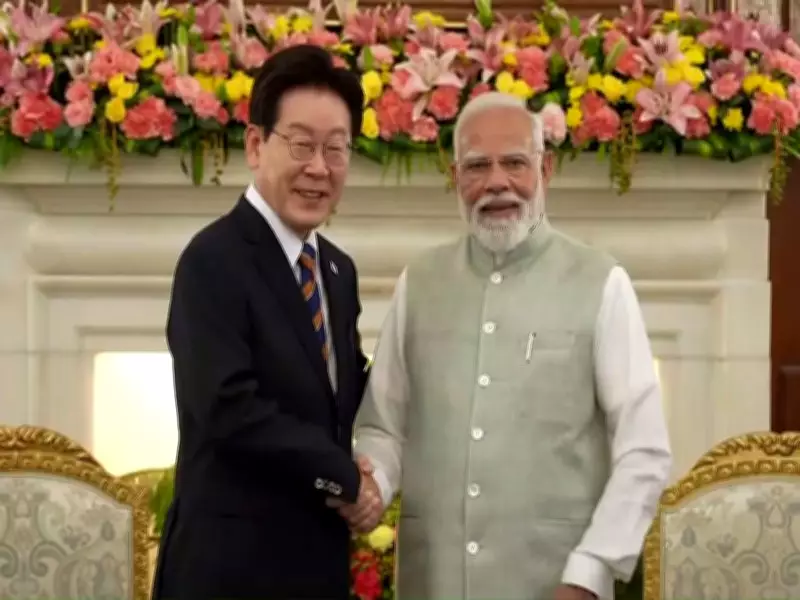
India and South Korea's bilateral trade continues to hover in the range of $25-28 billion, significantly short of the ambitious $50 billion target, according to a recent report. Despite multiple rounds of negotiations and policy initiatives, trade volumes have remained stagnant over the past few years, raising concerns about the pace of economic engagement between the two countries.
Trade Stagnation Despite Efforts
The report highlights that while both nations have expressed a strong commitment to enhancing trade ties, actual progress has been limited. The $50 billion target, set during a high-level summit in 2018, appears increasingly elusive as trade figures have not shown sustained growth. In 2022-23, bilateral trade stood at approximately $27 billion, a marginal increase from previous years but far from the desired trajectory.
Key Factors Behind Stagnation
- Trade Deficit: India faces a significant trade deficit with South Korea, which has discouraged some Indian exporters and led to calls for better market access.
- Non-Tariff Barriers: Indian businesses report difficulties due to stringent quality standards and certification requirements in South Korea.
- Limited Diversification: Trade remains concentrated in a few sectors like automobiles, machinery, and chemicals, with little expansion into new areas such as services or technology.
Areas of Potential Growth
Experts suggest that both countries could explore new avenues to boost trade, including defense cooperation, startups, and renewable energy. South Korean investments in India have been growing, particularly in electronics and manufacturing, but trade volumes have not kept pace.

Way Forward
The report recommends that India and South Korea focus on resolving non-tariff barriers, enhancing connectivity, and promoting joint ventures in emerging sectors. Upgrading the existing Comprehensive Economic Partnership Agreement (CEPA) could also provide the necessary impetus to achieve the $50 billion target.
In conclusion, while the political will exists, concrete measures are needed to translate aspirations into reality. Without significant policy interventions and business-friendly reforms, the $50 billion target may remain a distant goal.