In a significant move to deepen economic integration, India and Russia have intensified negotiations to establish a comprehensive Free Trade Agreement (FTA) between India and the Eurasian Economic Union (EAEU). The discussions formed the core of high-level talks held in Moscow, marking a pivotal step in bilateral relations.
Strategic Talks in Moscow: Pushing for Economic Integration
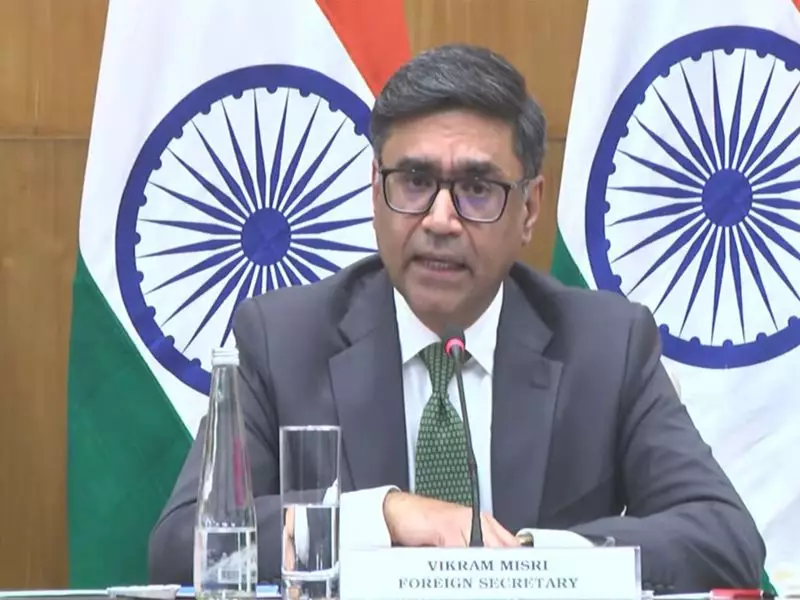
The dialogue took place during the visit of a high-level Indian delegation to the Russian capital. The primary agenda was to accelerate the long-pending proposal for a free trade pact between India and the EAEU, a bloc comprising Russia, Belarus, Kazakhstan, Kyrgyzstan, and Armenia. Both sides expressed a strong political will to finalize the agreement, recognizing its potential to transform trade dynamics.
The talks reviewed the current status of negotiations and identified ways to address outstanding issues. Officials from both nations worked on aligning their perspectives to create a balanced and mutually beneficial trade framework. The push for this agreement comes amid a broader context of strengthening the strategic partnership between New Delhi and Moscow, which has remained resilient despite global geopolitical shifts.

Beyond Trade: Energy, Connectivity, and Investment
While the FTA was the centerpiece, the bilateral discussions encompassed a wider economic canvas. A major focus was on enhancing cooperation in the critical energy sector. Discussions progressed on the ambitious project to construct a major gas pipeline that would connect Russia to India via Central Asia. This infrastructure initiative aims to ensure a reliable and long-term energy supply for India while opening a new export route for Russia.
Furthermore, the talks explored avenues to increase Russian investments in India's burgeoning infrastructure landscape. Conversely, opportunities for Indian businesses to expand their footprint in the Russian market were also examined. The dialogue underscored a shared commitment to building sustainable and diversified economic linkages that go beyond traditional commodity trade.
The Road Ahead and Strategic Implications
The progress in Moscow sets the stage for more technical and ministerial-level meetings in the coming months. Concluding an FTA with the EAEU would provide Indian exporters with preferential access to a vast market spanning Northern Eurasia. It could significantly boost trade in sectors like pharmaceuticals, chemicals, textiles, and agricultural products.
For Russia and the EAEU nations, the agreement offers a gateway to one of the world's largest and fastest-growing consumer markets. It is seen as a crucial element in their "pivot to the East" strategy and diversifying economic partnerships. The successful culmination of this pact would not only cement India-Russia economic ties but also create a new axis of trade and connectivity linking South Asia with Eurasia, with potential ripple effects across the regional economic architecture.
The Moscow talks have therefore injected fresh momentum into a strategic economic dialogue, with both sides demonstrating a clear intent to translate political goodwill into concrete commercial outcomes.