

India Launches Special Vessel Service to West Asia to Slash Export Freight Costs
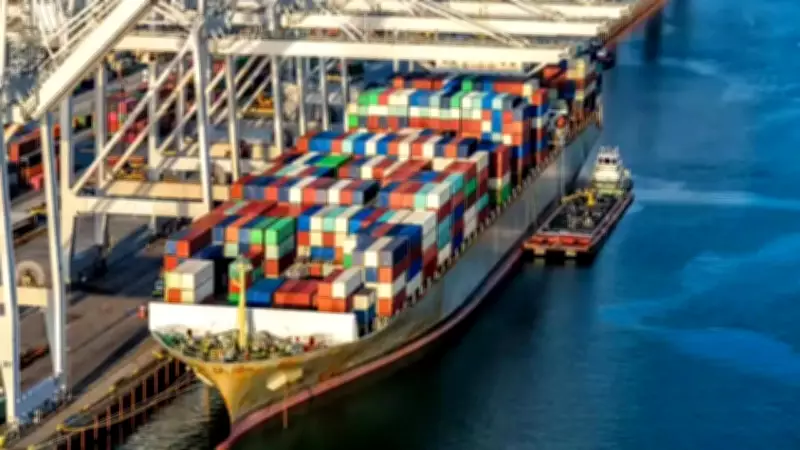
The Commerce Department is actively collaborating with multiple agencies, including the Shipping Corporation of India (SCI), to launch a special vessel service aimed at West Asia. This initiative is designed to assist Indian exporters in moving their goods at significantly reduced freight rates, providing a crucial boost to the export sector.
Substantial Reduction in Freight Rates
Currently, freight costs to West Asia are approximately $3,000 to $3,500 per 20-feet equivalent unit (TEU) for standard cargo and $4,500 to $6,000 for refrigerated units. The government is targeting rates that could be nearly half these levels, making exports more viable and competitive for Indian businesses.
Strategic Logistics and Route Planning
While the Strait of Hormuz remains inaccessible due to geopolitical tensions, vessels will dock at alternative ports in the region. From these ports, goods will be transported by road to their final destinations, a method already being utilized for certain markets to ensure continuity in trade flows.

Key Agencies Driving the Initiative
The Directorate General of Foreign Trade (DGFT) has conducted extensive consultations on this issue. The Agricultural and Processed Food Products Export Development Authority (APEDA), responsible for farm exports, will lead cargo aggregation efforts. This includes identifying and engaging exporters who wish to participate in the plan, ensuring a coordinated approach.
Focus on Agricultural Exports
This move strongly indicates a major push for agricultural products, ranging from perishables such as onions, bananas, and other fruits and vegetables to staples like rice and tea. Exporters have reported that for several markets in West Asia, freight rates now exceed the cost of the goods themselves, rendering shipments economically unfeasible.
Vessel Deployment and Operational Details
Based on demand estimates, SCI will deploy vessels for both refrigerated and non-refrigerated cargo, determining specific routes and frequencies. Discussions have also covered vessel size, with considerations for deploying a 4,000 TEU merchant vessel or chartering smaller ones, such as 1,000 TEU vessels, at least in the initial phases.
Container Availability and Logistics Support
Container Corporation of India (Concor) will ensure the availability of containers, addressing potential shortages in the coming weeks. Additionally, Concor will facilitate cargo movement up to the port, streamlining the logistics chain for exporters.
A Viable Alternative to Freight Subsidies
Initially, the Commerce Department explored freight subsidies to help businesses overcome high costs. However, the special vessel service is viewed as a more viable and targeted option. It not only focuses on specific markets but also avoids potential violations of global trade rules regarding subsidies, ensuring compliance with international regulations.
International Collaboration and Support
Some countries in the Gulf region are also exploring options to help cover a portion of the freight costs, particularly for essential food items. This international cooperation could further alleviate financial burdens on exporters and enhance the effectiveness of the initiative.
Addressing Export Challenges
The special vessel service represents a strategic response to the pressing challenges faced by Indian exporters. By reducing freight costs and improving logistics efficiency, the government aims to strengthen India's export competitiveness in West Asia, supporting economic growth and trade resilience.






